In short
- Best souvenirs: genuine pounamu (New Zealand greenstone), Māori carving and weaving from Māori artists, merino and possum-merino knitwear, mānuka honey, wine, and local design.
- Buy authentic: look for Ngāi Tahu Pounamu authentication for greenstone and the toi iho mark for Māori-made art; much cheap 'jade' is imported.
- Where: Hokitika for greenstone, Rotorua for Māori arts, Auckland and Wellington for design and fashion, weekend farmers' markets everywhere.
- Prices include 15% GST. Shops are typically open 9 AM–5:30 PM, longer in malls and tourist towns.
- Biosecurity at home: check your home country's rules before packing honey, wood or seeds.
Pounamu (greenstone)
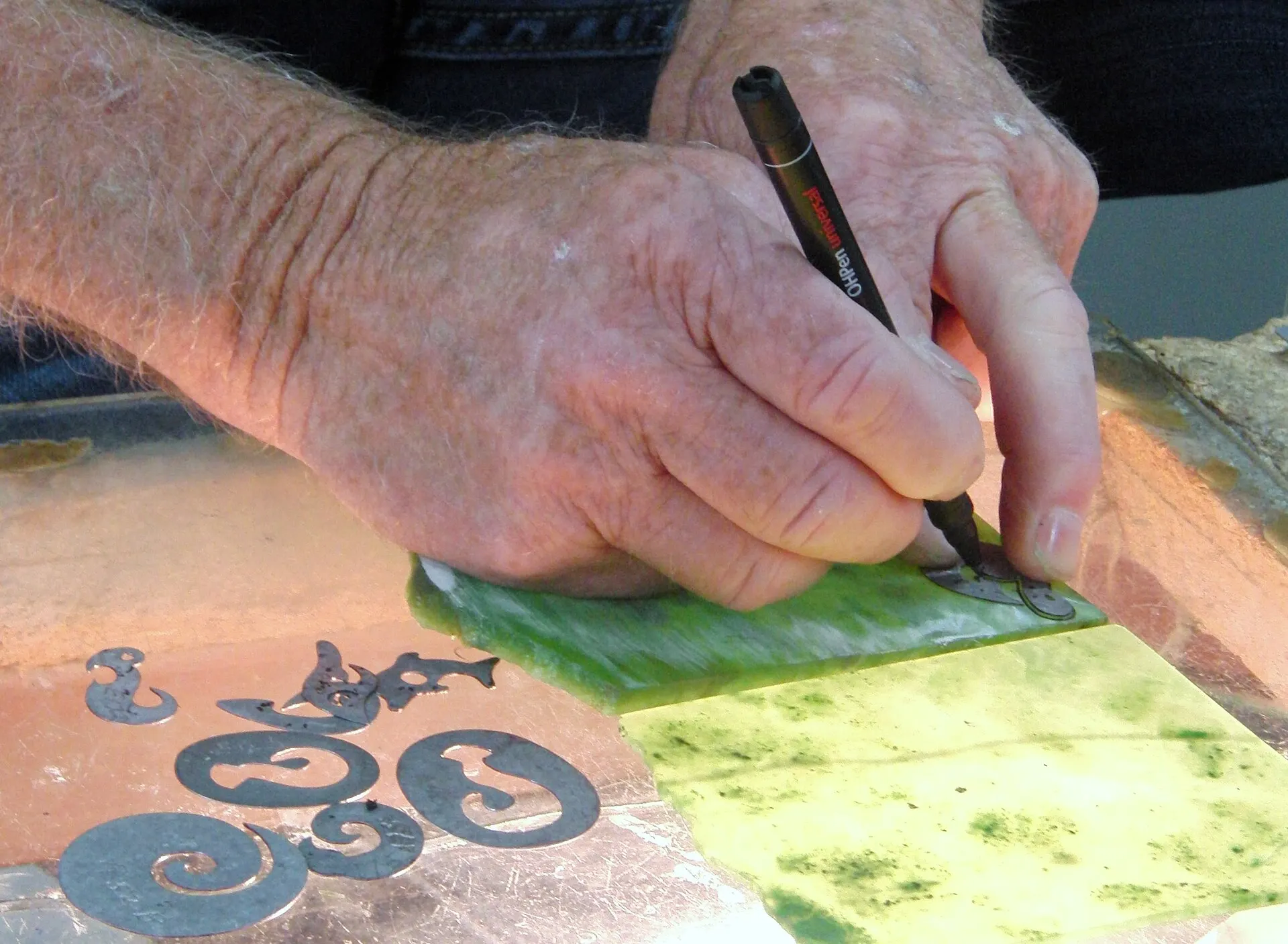
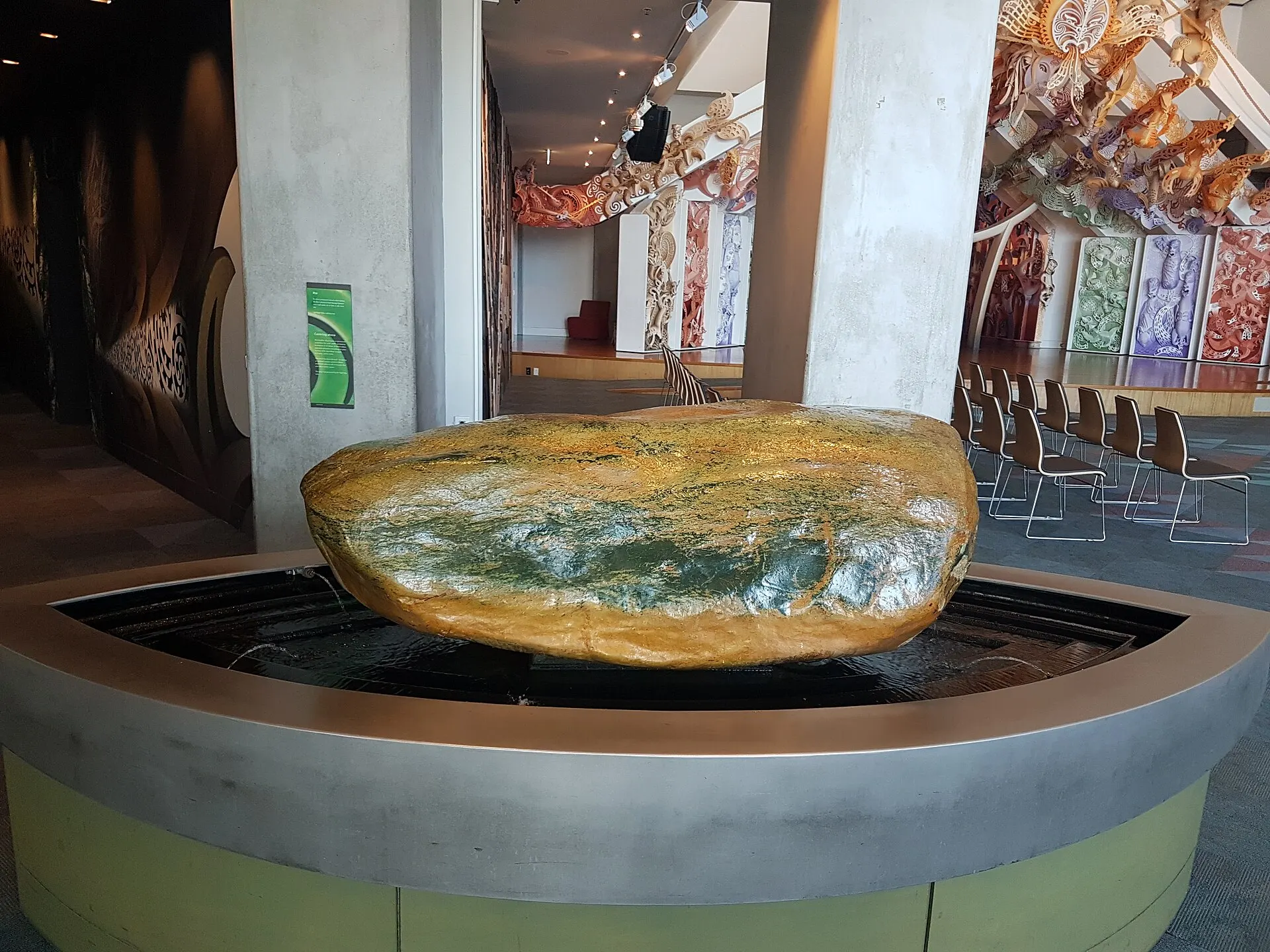
Pounamu – New Zealand nephrite jade and the related bowenite – is a taonga (treasure) in Māori culture, worked into tools, weapons and ornaments for centuries. The South Island's Māori name, Te Waipounamu, means 'the waters of greenstone'. Under the Ngāi Tahu (Pounamu Vesting) Act 1997, all natural pounamu in the Ngāi Tahu region belongs to the iwi, which authenticates stones with a certificate and a hologram.
Traditional designs carry meanings: the koru (unfolding fern frond) means new beginnings; the hei matau (fish hook) prosperity and safe travel over water; the twist the bond between people; the toki (adze) strength and courage. It is traditional to receive pounamu as a gift rather than buy it for yourself – but many visitors buy pieces for loved ones.
The best place to shop is Hokitika on the West Coast, where you can watch carvers at work or even carve your own; Queenstown, Christchurch and Rotorua have good galleries too. Beware of cheap 'jade' from overseas – ask for the origin and authentication.
Māori and Pacific art
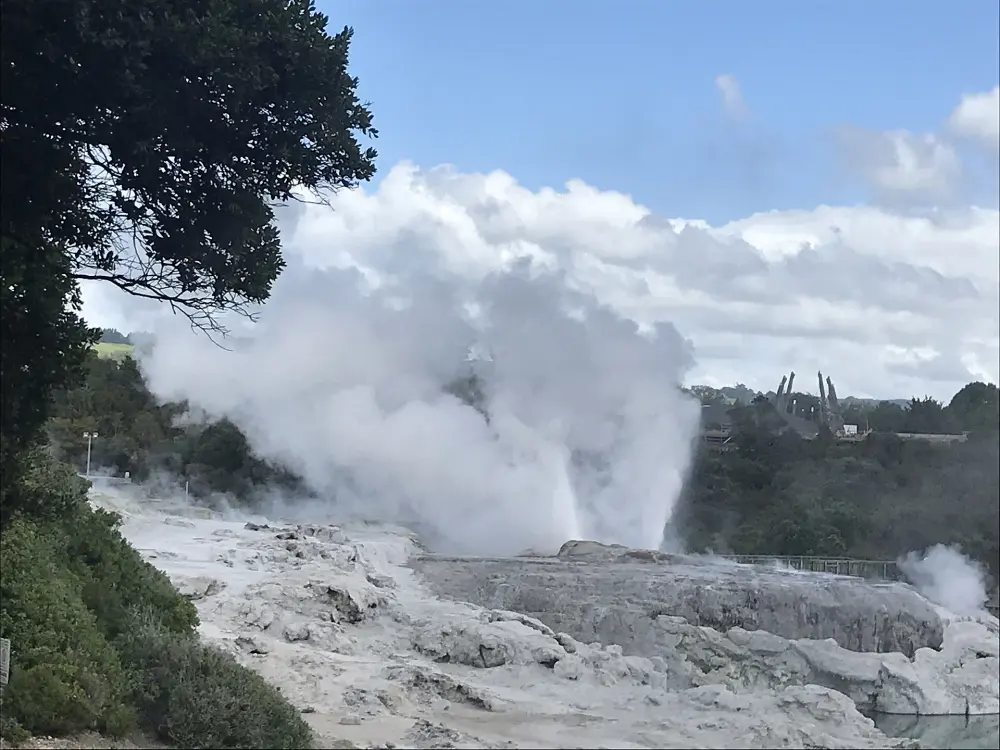
Carving in wood, bone and stone (whakairo), weaving in flax (raranga, harakeke kete baskets) and tā moko-inspired art make meaningful souvenirs when bought from Māori artists. The toi iho trademark identifies quality work by Māori artists. In Rotorua, Te Puia is home to the New Zealand Māori Arts and Crafts Institute (Te Wānanga Whakairo Rākau o Aotearoa), where you can watch students carve and weave – its shop sells their work. Museum shops at Te Papa and Auckland Museum are also reliable.
Auckland's markets and shops are the place for Pacific art – tapa cloth, carvings and jewellery from Samoa, Tonga, the Cook Islands and Fiji.
Wool, merino and possum
With roughly 23–24 million sheep (Stats NZ, 2024 – more than four per person), it is no surprise that wool is a classic buy. Merino clothing (Icebreaker, Mons Royale and others) is soft, warm and odour-resistant – ideal for travel. Possum-merino blends are extraordinarily warm and light; the brushtail possum is an introduced pest that destroys native forest, so its fur is considered an environmentally positive product. Sheepskin rugs and UGG-style boots (a generic term in New Zealand) are also popular – check that they are made locally.
Food, wine and beauty
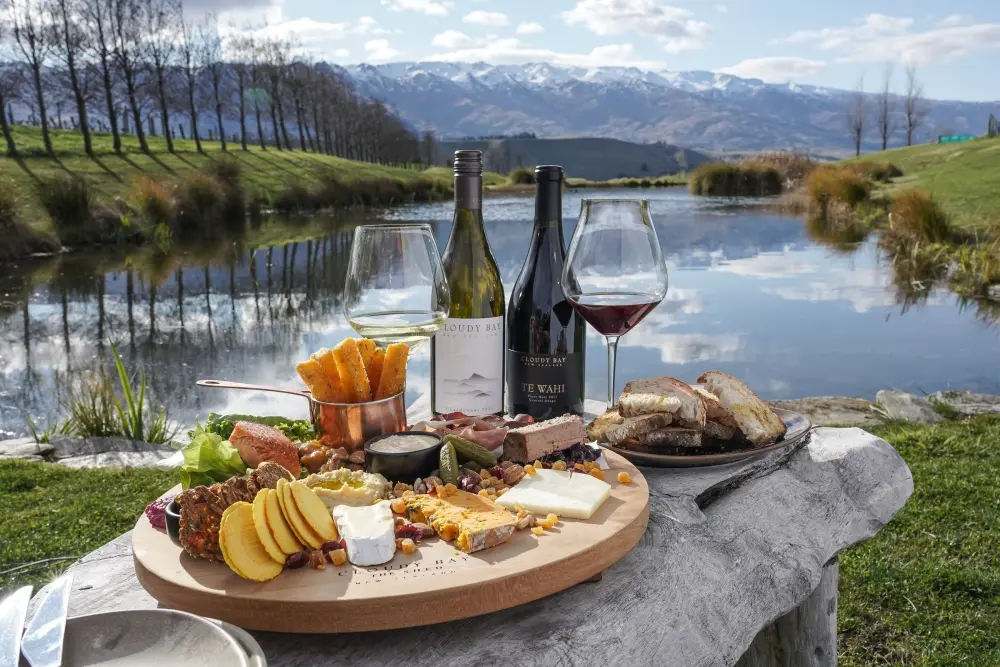
- Mānuka honey: look for the UMF or MGO grade and a government-recognised mānuka authentication; prices rise steeply with the grade.
- Wine: buy at cellar doors to discover small producers; most will ship overseas. See food and wine.
- Whittaker's chocolate, pineapple lumps, Tim Tams (Australian, but loved), feijoa products – supermarket souvenirs.
- Skincare made with mānuka, kawakawa or New Zealand clay (Antipodes, Trilogy, Ethique).
Remember that many countries restrict food imports – honey, meat products and seeds may be confiscated when you get home.
Where to shop
| Place | Best for |
|---|---|
| Auckland: Ponsonby Rd, Britomart, Newmarket, Commercial Bay | Fashion, New Zealand designers, homeware |
| Auckland: Ōtara Market (Saturday mornings) | Pacific produce, crafts and food |
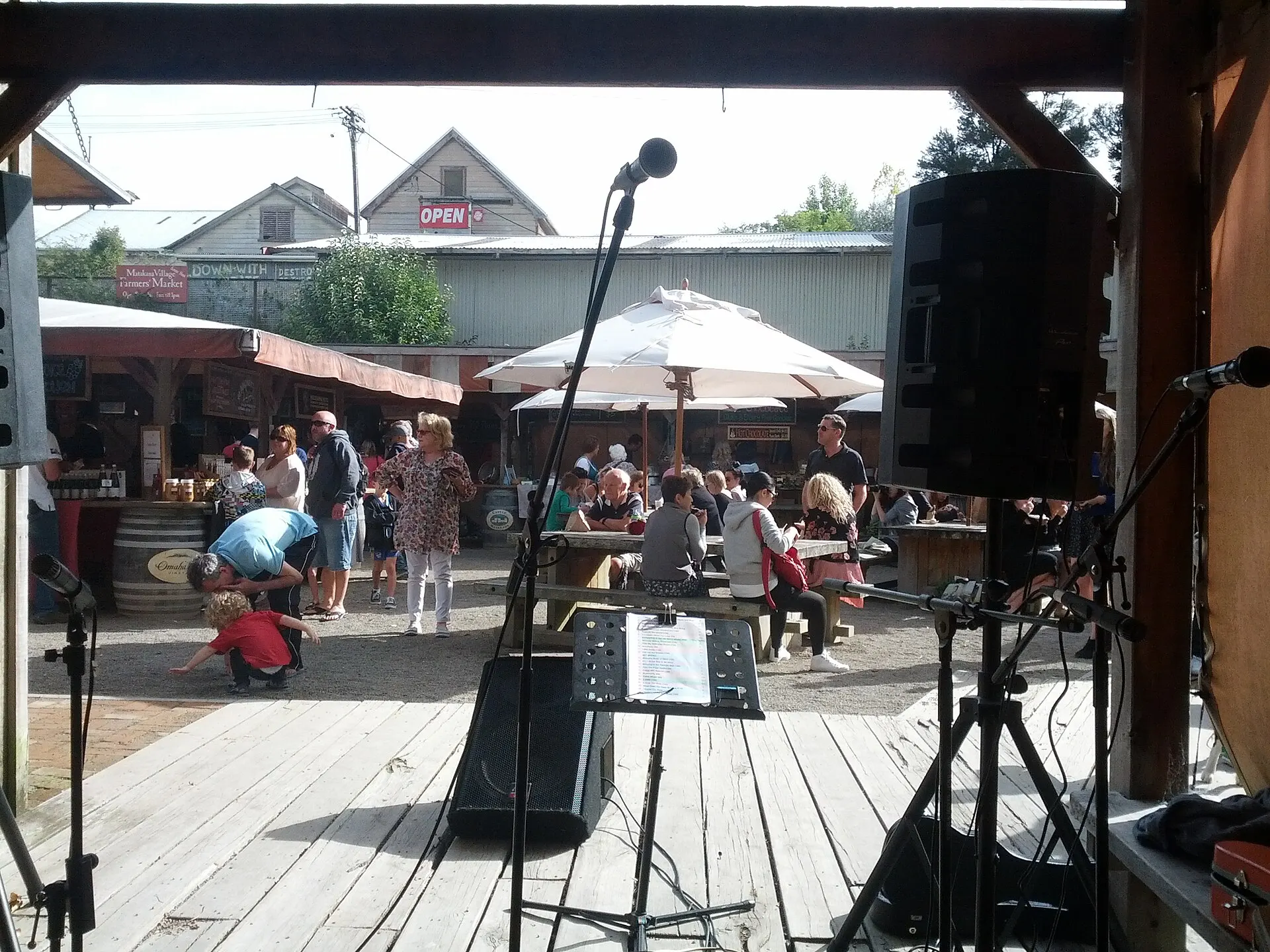
| Matakana Village Farmers Market (Saturday mornings) | Gourmet food north of Auckland |
| Wellington: Cuba Street, Lambton Quay, Harbourside Market (Sunday) | Vintage, design, books, fresh produce |
| Rotorua: Te Puia, Tutanekai St, night market (Thursday) | Māori carving and weaving; street food |
| Napier: Art Deco city centre; Hastings Farmers' Market (Sunday) | Vintage, deco souvenirs, produce |
| Hokitika | Pounamu galleries and carving workshops |
| Christchurch: Riverside Market, Tūranga area | Food hall, local makers |
| Queenstown and Arrowtown | Outdoor gear, merino, galleries, wine |
Practical tips
- Opening hours: typically 9 AM–5:30 PM weekdays, shorter on weekends; malls and supermarkets stay open later. Trading restrictions apply on Good Friday, Easter Sunday, Christmas Day and Anzac Day morning.
- GST of 15% is included in prices. There is no airport VAT refund, but shops can ship purchases overseas GST-free.
- Sales: the big ones are Boxing Day (26 December) and mid-year (June–July) sales.
- Outdoor gear (Kathmandu, Macpac, Torpedo7) is reasonably priced in sales – useful if you need a rain jacket for Fiordland.
- Carry-on and customs: check your home country's rules on wood, bone, shells, seeds and honey; some items need declarations or treatment certificates.
Frequently asked questions
What is the best souvenir from New Zealand?
Authentic pounamu (greenstone), Māori art bought from Māori artists, merino or possum-merino knitwear, mānuka honey and New Zealand wine are the classics.
Where is the best place to buy greenstone?
Hokitika on the West Coast, where many carvers work. Look for Ngāi Tahu authentication on New Zealand pounamu.
Can I get a tax refund on shopping in New Zealand?
There is no tourist GST refund scheme at the airport, but goods shipped directly overseas by the retailer are sold without the 15% GST.
Sources and official information
Facts were checked against these official sources in November 2026. Opening hours, prices and timetables change, so confirm before you go.
NewZealandTravel.com is an independent guide, not the official site of Tourism New Zealand, the New Zealand Government or any operator. Some links are affiliate links: tours go to GetYourGuide and hotels go to Booking.com, and we may earn a commission at no extra cost to you.