In short
- Seasons are the reverse of the Northern Hemisphere: summer December–February, autumn March–May, winter June–August, spring September–November.
- The climate is temperate and changeable – 'four seasons in one day' is a cliché because it is true. Summer highs are typically 20–25 °C; winter highs 10–15 °C in the north and 5–12 °C in the south.
- Best overall time: February–April (warm, settled, fewer crowds than December–January). Ski season: roughly mid-June to early October.
- Weather differs hugely by region: the West Coast and Fiordland are among the wettest places on Earth, while Central Otago and the Mackenzie Basin are dry with hot summers and frosty winters.
- The sun is fierce: UV levels in summer are very high, so use sunscreen even on cloudy days.
New Zealand's climate in a nutshell
New Zealand stretches about 1,600 km from north to south, from about 34° to 47° south, in the path of the westerly winds that circle the Southern Ocean. That produces a mostly temperate maritime climate: no extreme heat or cold at sea level, rain spread across the year, and weather systems that pass through every few days. The main mountain chain – the Southern Alps in the South Island and the ranges of the North Island – catches the westerlies, so western slopes are wet and eastern areas are drier and sunnier.
NIWA (the National Institute of Water and Atmospheric Research) describes the far north as subtropical – mild, humid and frost-free – while inland Central Otago has the most continental climate in the country, with summer temperatures above 30 °C and winter frosts. Mean annual temperatures range from about 16 °C in Northland to about 10 °C in the south of the South Island.
For your daily forecast, use MetService (metservice.com), the official national weather service, and check mountain forecasts and warnings before any hike or alpine drive.
The four seasons
- Summer (December–February): long days (sunset after 9 PM in the far south around the solstice), warm temperatures of 20–25 °C, occasionally 30 °C+ in the east. Best for beaches, hiking and lakes – and the busiest period, especially during the school holidays from Christmas to late January.
- Autumn (March–May): many travellers' favourite. March and April often bring settled weather, warm water, golden poplars in Central Otago and Hawke's Bay vintage season. Crowds thin after Easter.
- Winter (June–August): cool and crisp in the north (highs around 14–16 °C in Auckland), cold in the south and on the Central Plateau, with snow on the mountains and ski fields open. Clear, still days are common in the Southern Lakes and Mackenzie Basin – excellent for stargazing and photography. Some alpine roads (Milford Road, Lewis Pass, Desert Road) can close briefly for snow.
- Spring (September–November): lambs, blossom and waterfalls in full flow, but the most changeable season – warm days can alternate with cold southerly blasts and late snow. Shoulder-season prices and few crowds.
Month by month
| Month | Auckland high / low | Queenstown high / low | What to expect |
|---|---|---|---|
| Jan | 24 / 16 °C | 22 / 10 °C | Peak summer and holidays; warmest sea |
| Feb | 24 / 16 °C | 22 / 10 °C | Often the most settled month; Waitangi Day |
| Mar | 23 / 15 °C | 19 / 8 °C | Warm, fewer crowds; grape harvest begins |
| Apr | 20 / 13 °C | 15 / 5 °C | Autumn colour in the south; Easter |
| May | 18 / 11 °C | 11 / 2 °C | Quiet, cool; first snow on peaks |
| Jun | 15 / 9 °C | 8 / 0 °C | Shortest days; ski season opens mid-June |
| Jul | 15 / 8 °C | 8 / -1 °C | Coldest month; Matariki; school holidays |
| Aug | 15 / 8 °C | 10 / 0 °C | Best snow; clear frosty days in the south |
| Sep | 17 / 10 °C | 13 / 2 °C | Spring, lambs, changeable weather |
| Oct | 18 / 11 °C | 16 / 4 °C | Blossom, waterfalls, end of ski season |
| Nov | 20 / 13 °C | 18 / 6 °C | Warming, long days; lupins start late Nov |
| Dec | 22 / 15 °C | 21 / 9 °C | Early summer; Christmas holidays begin |
Regional climates: where it rains and where it shines
- Northland and Auckland: subtropical, humid, mild winters; frequent showers but rarely cold. Summer storms and the occasional ex-tropical cyclone (January–March) can bring heavy rain – Cyclone Gabrielle in February 2023 caused severe damage in Northland, Coromandel and Hawke's Bay.
- Bay of Plenty, Coromandel, Hawke's Bay and Gisborne: some of the sunniest places in the country; Napier and Gisborne often exceed 2,200 sunshine hours a year.
- Central North Island (Rotorua, Taupō, Tongariro): cooler because of altitude; winter frosts and snow on the volcanoes. The Tongariro Alpine Crossing is a serious alpine walk in all seasons.
- Wellington: famously windy, as Cook Strait funnels the westerlies between the islands; mild temperatures year-round. On a calm, sunny day there is no better city in the world, locals say.
- Nelson and Marlborough: among the sunniest regions (Nelson and Blenheim often top the national sunshine tables); dry, warm summers.
- Canterbury and Christchurch: dry and sunny, with hot nor'west winds in summer and frosty winters.
- West Coast and Fiordland: very wet – Milford Sound averages around 6–7 metres of rain a year, falling on roughly 180+ days. The good news: rain makes the waterfalls spectacular, and clear days between fronts are dazzling.
- Central Otago, Queenstown, Wānaka and the Mackenzie Basin: sheltered by the Alps; dry, with the country's biggest temperature range – hot summers and cold, clear winters.
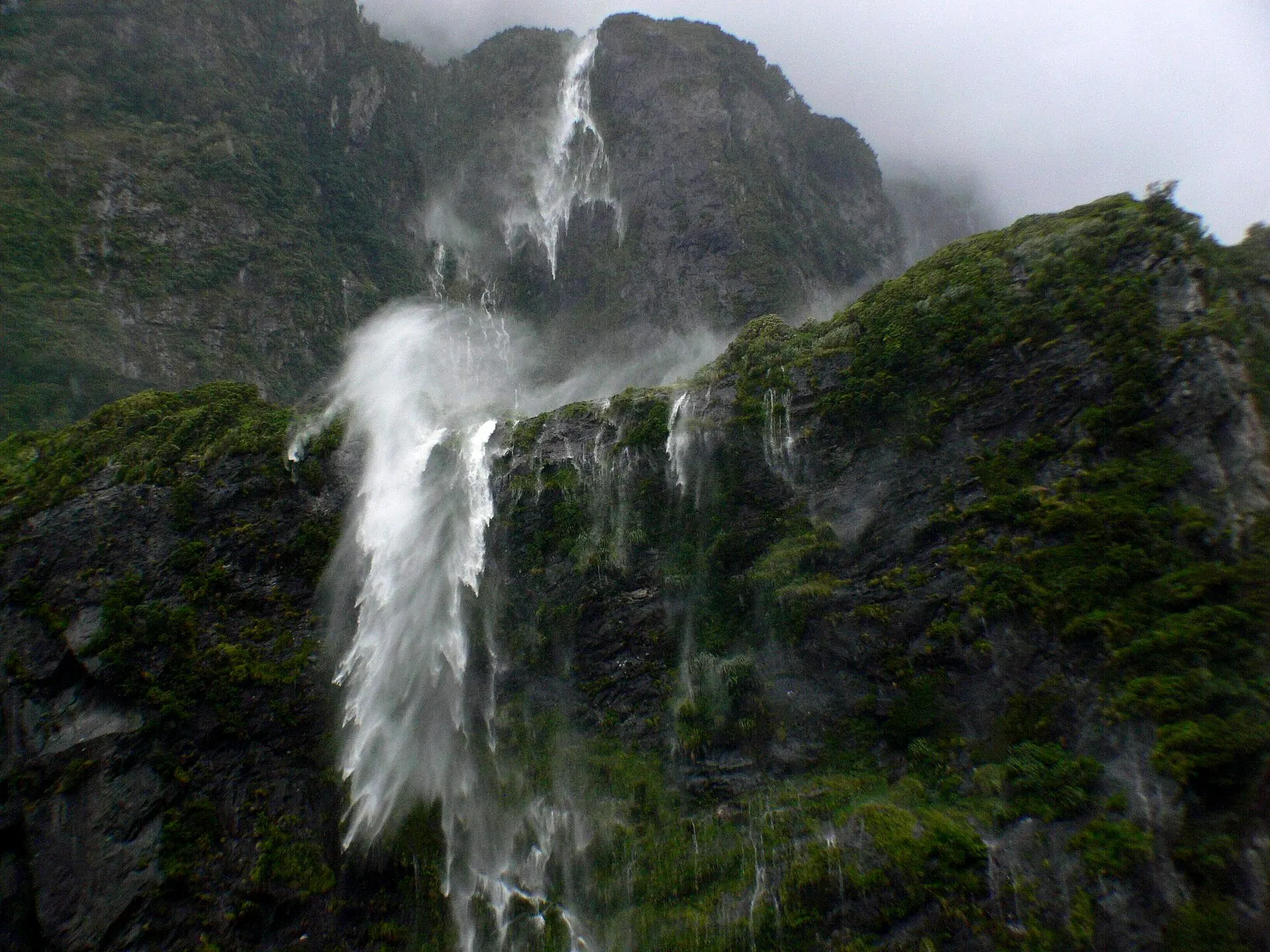
Rain is part of the experience in Fiordland: after a downpour, hundreds of temporary waterfalls pour off the cliffs.
Best time to visit for…
| If you want… | Go in | Why |
|---|---|---|
| Beaches and swimming | January–March | Warmest air and sea; Coromandel, Bay of Islands, Abel Tasman |
| Hiking and Great Walks | Late October–April | Great Walks season with full hut services; alpine routes snow-free from about December |
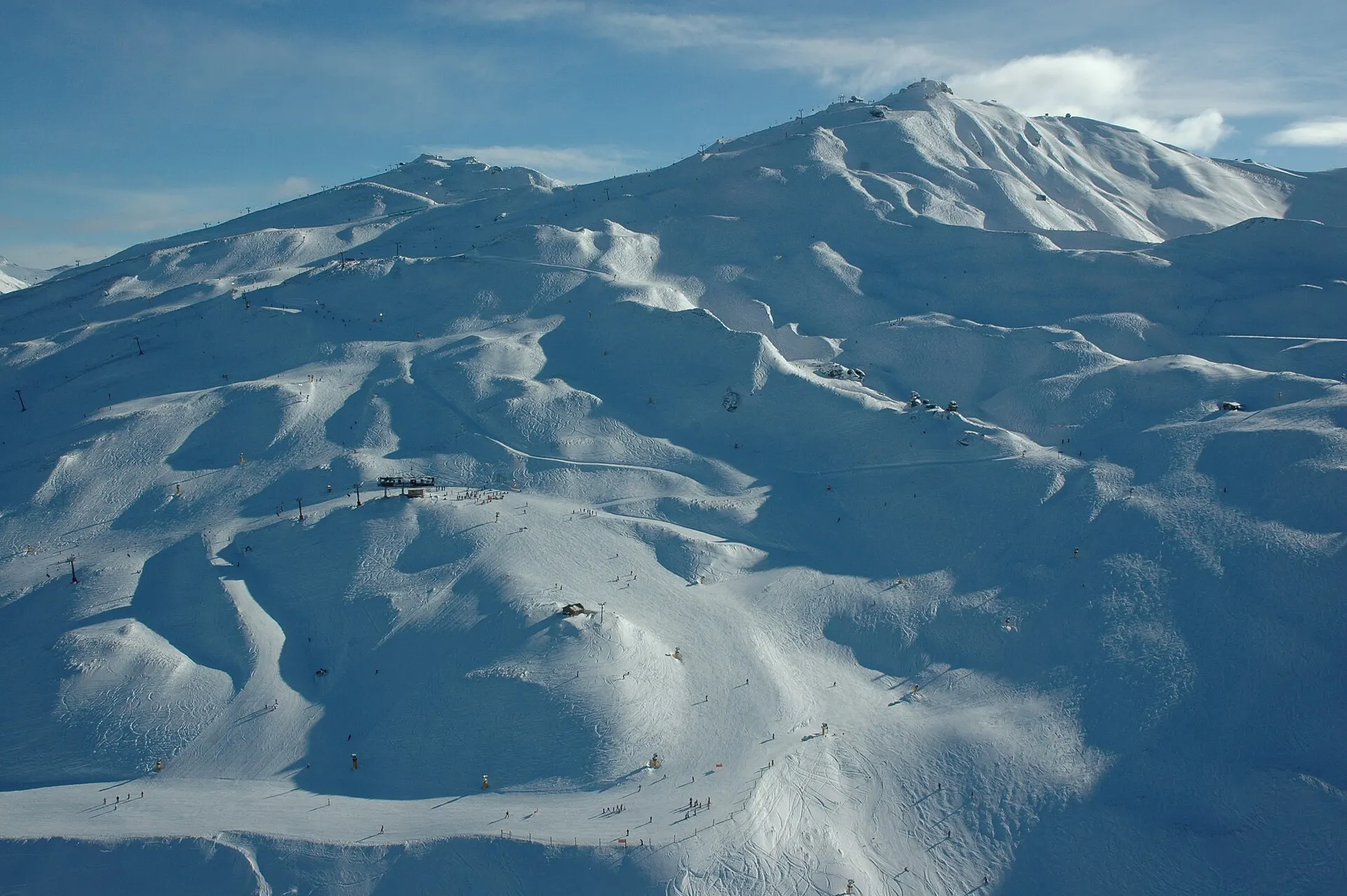
| Skiing and snowboarding | Mid-June–early October | Queenstown, Wānaka, Mt Hutt, Ruapehu (Whakapapa/Tūroa) when open |
| Fewer crowds, good weather | March–April, November | Shoulder seasons with mild temperatures |
| Stargazing | May–August | Long, clear nights in the Aoraki Mackenzie Dark Sky Reserve |
| Whales | Year-round (Kaikōura sperm whales); humpbacks June–July | See Kaikōura |
| Lupins | Late November–December | Lake Tekapo and the Mackenzie Basin |
| Wine harvest and autumn colour | March–April | Hawke's Bay, Marlborough, Central Otago |
Sun, wind and 'four seasons in one day'
New Zealand's UV radiation is among the highest in the world in summer because of clear air, the latitude and seasonal ozone thinning over the Southern Hemisphere. Sunburn can happen in 15 minutes on a clear summer day. Wear a hat, sunglasses and SPF 50 sunscreen, and check the UV index in the MetService forecast – the 'sunsmart' period runs from September to April.
Mountain weather changes fast. On walks such as the Tongariro Alpine Crossing, the Hooker Valley or Roys Peak, take a warm layer, a waterproof jacket, a hat and gloves even in summer, and turn back if conditions worsen. DOC and the New Zealand Mountain Safety Council publish advice; read our travel tips before heading out.
What to pack
- Layers: merino or synthetic base layers and a fleece – mornings and evenings are cool even in summer.
- A proper rain jacket (and rain trousers for hiking, especially in Fiordland and on the West Coast).
- Sun protection: SPF 50 sunscreen, sunglasses and a brimmed hat.
- Insect repellent for sandflies on the West Coast, Fiordland and lake shores.
- Comfortable walking shoes – and clean them before you arrive (see visa and entry rules).
- Winter: warm jacket, hat and gloves; snow chains if your rental car is going over alpine passes (rental companies supply them).
Frequently asked questions
What is the best month to visit New Zealand?
For most travellers, February to April: warm, relatively settled weather and fewer crowds than the December–January holidays. Choose mid-June to September for skiing.
Is New Zealand cold in winter?
It is mild in the north (Auckland highs around 15 °C) and cold in the south and inland (Queenstown highs around 8 °C with frosts). Snow at sea level is rare except in the far south.
What is New Zealand's weather like in December?
Early summer: long days, highs of about 20–25 °C, but still changeable, especially in the South Island where a cold southerly can bring snow to the mountains.
Which part of New Zealand has the best weather?
Nelson, Marlborough, Hawke's Bay and the Bay of Plenty are the sunniest regions. Central Otago is the driest and has the hottest summers.
Does it rain a lot in New Zealand?
It depends where. Fiordland and the West Coast receive several metres of rain a year, while Central Otago gets around 350–400 mm. Most regions have rain spread through the year.
Sources and official information
Facts were checked against these official sources in November 2026. Opening hours, prices and timetables change, so confirm before you go.
NewZealandTravel.com is an independent guide, not the official site of Tourism New Zealand, the New Zealand Government or any operator. Some links are affiliate links: tours go to GetYourGuide and hotels go to Booking.com, and we may earn a commission at no extra cost to you.