In short
- Most visitors need an NZeTA (from NZ$17 in the app) plus the NZ$100 IVL; Australians need nothing – see visa.
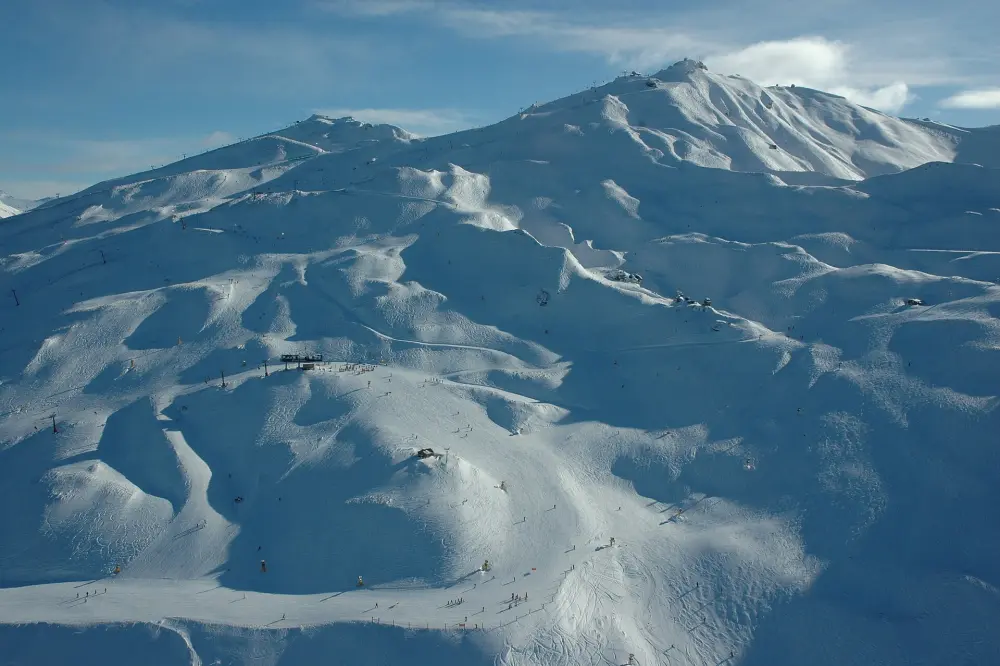
- Best time: February–April; summer is December–February; ski season roughly mid-June to early October.
- Allow two to three weeks for both islands; one week for one island.
- Drive on the left; distances take longer than you expect.
- Emergency number: 111. Answers checked November 2026.
Entry and arrival
Do I need a visa for New Zealand? Citizens of 60 visa-waiver countries and territories (including the USA, Canada, UK, EU countries, Japan, South Korea, Singapore and Malaysia) need an NZeTA, not a visa; Australian citizens need neither; everyone else needs a visitor visa. Details: visa and entry requirements.
How much is the NZeTA? From NZ$17 in the official app or NZ$23 online, plus the NZ$100 International Visitor Conservation and Tourism Levy (as of November 2026).
What is the NZ Traveller Declaration? A free online customs, immigration and biosecurity declaration everyone completes within 24 hours before travelling to New Zealand.
Can I bring food? Declare all food and outdoor gear on arrival; undeclared risk goods attract an NZ$400 instant fine.
Which airport should I fly into? Auckland for the North Island and most long-haul flights; Christchurch or Queenstown for the South Island. See transportation.
When to go and how long to stay
When is the best time to visit? February to April for warm, settled weather and fewer crowds; December–January is peak summer and school holidays. See weather.
Is New Zealand worth visiting in winter? Yes – for skiing, snowy mountains, clear skies, Matariki and lower prices; the north stays mild.
How many days do I need? Two to three weeks for both islands, 7–10 days for one. See itineraries.
What are the main festivals? Waitangi Day (6 February), the Art Deco Festival and Auckland Lantern Festival (February), Te Matatini (February 2027), Matariki (June/July). See events.
What time zone is New Zealand in? UTC+12, or UTC+13 during daylight saving (late September to early April).
Getting around
Which side of the road do they drive on? The left. You can use your overseas licence for up to 12 months if it is in English or accompanied by an approved translation or International Driving Permit.
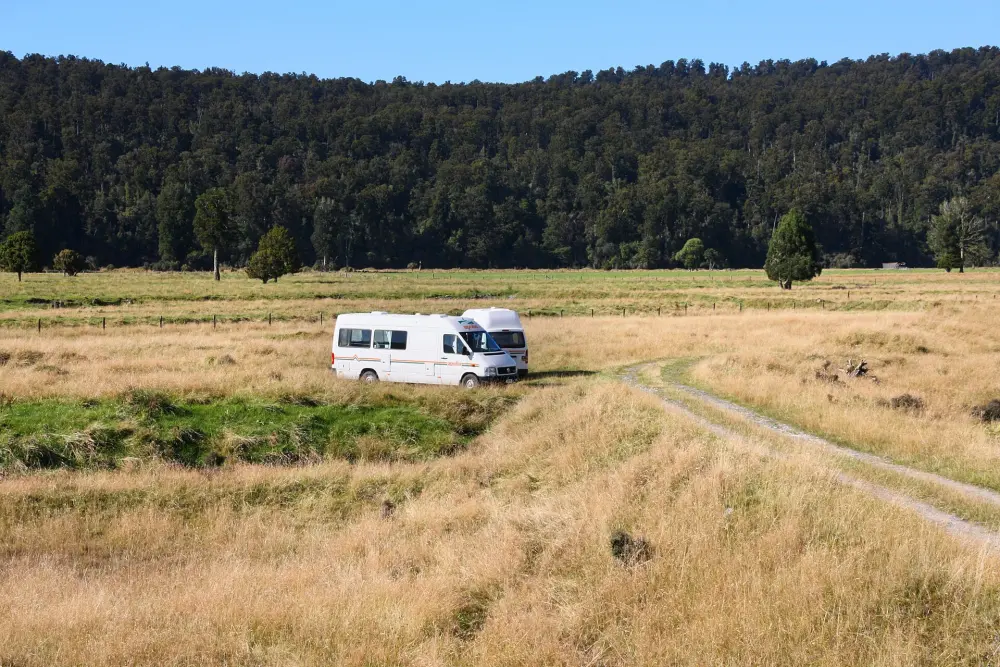
Can I take my rental car on the ferry? Usually not: most companies swap cars at the Wellington and Picton terminals. Campervans generally travel on the ferry.
Are there trains? Three scenic routes: Northern Explorer (Auckland–Wellington), Coastal Pacific (Christchurch–Picton, seasonal) and TranzAlpine (Christchurch–Greymouth).
Can I travel without a car? Yes, using InterCity coaches, domestic flights and day tours from hubs like Auckland, Rotorua and Queenstown.
How long is the drive from Auckland to Wellington? About 650 km and 8–9 hours without long stops – better split over two or three days via Rotorua or Taupō.
Money and costs
Is New Zealand expensive? Yes, especially accommodation and activities. Budget roughly NZ$150–250 per person per day travelling simply, NZ$300–500 mid-range. See travel tips.
Do I need cash? Rarely – cards and contactless payments are accepted almost everywhere; carry a little cash for markets and honesty boxes.
Should I tip? It is not expected.
Is tap water safe? Yes, in towns and cities. Treat water from streams and lakes.
Safety and health
Is New Zealand safe? It is one of the safest countries for travellers; the main risks are outdoors (weather, rivers, surf, driving).
What is the emergency number? 111 for police, fire and ambulance.
Do I need travel insurance? Yes. ACC covers treatment of accidental injuries for visitors, but not illness, evacuation, theft or cancellations.
Are there dangerous animals? No snakes and almost no dangerous animals – just sandflies and strong sun.
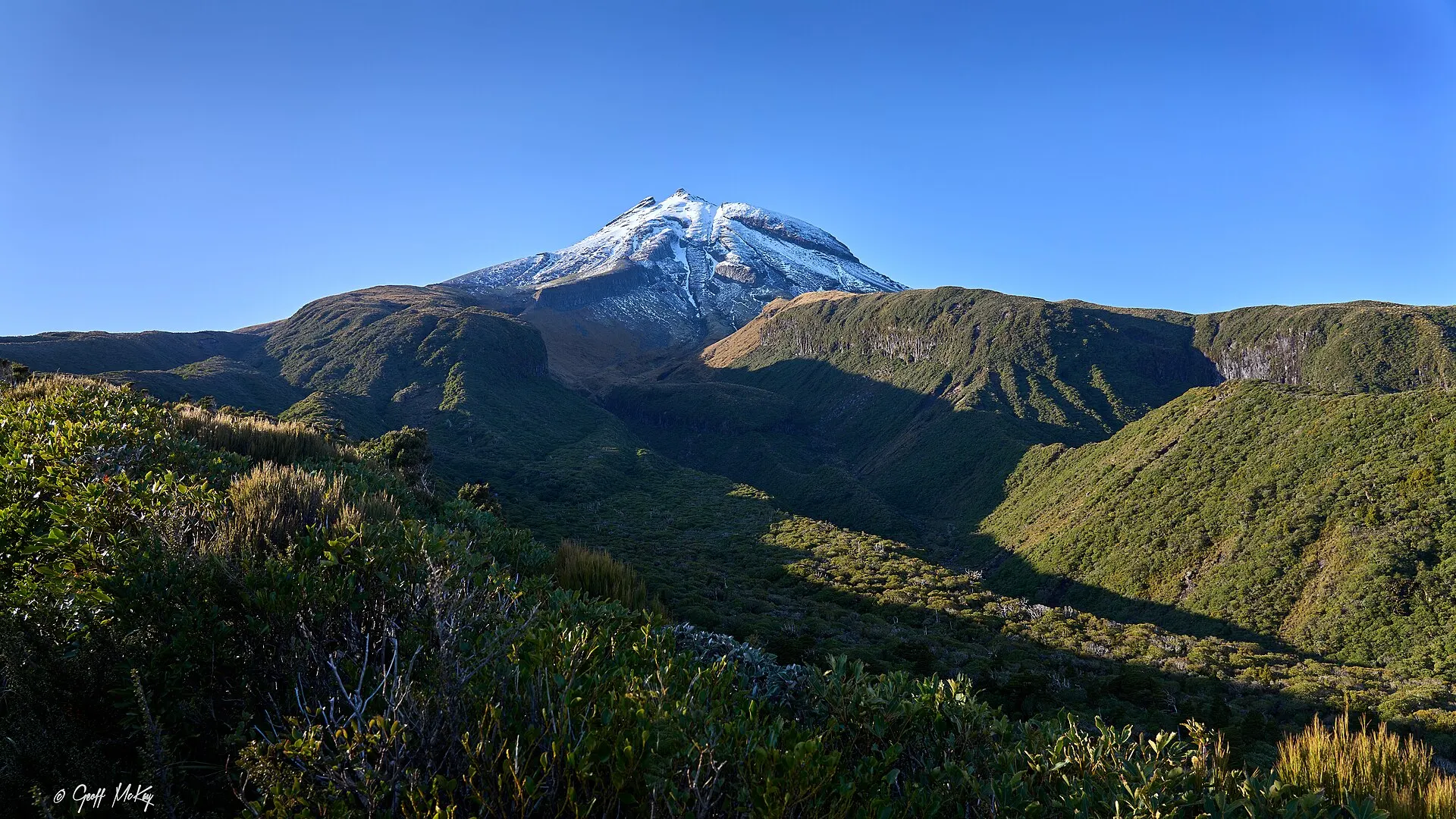
What about earthquakes and volcanoes? New Zealand is geologically active. Follow the 'Drop, Cover, Hold' advice and official alerts from GNS Science and Civil Defence.
What to see and do
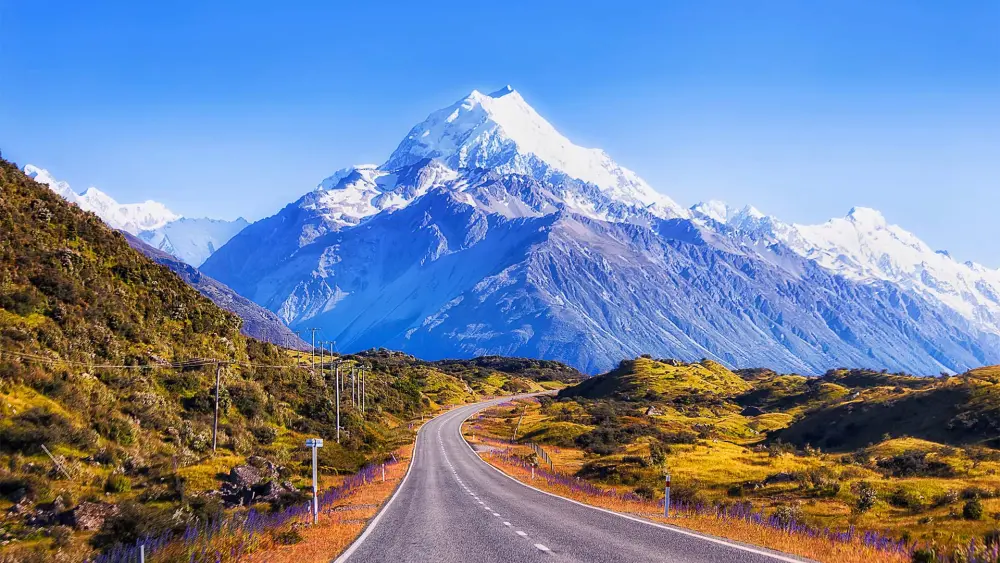
What are the top attractions? Milford Sound, Aoraki/Mount Cook and Lake Tekapo, Queenstown, Rotorua, the Tongariro Alpine Crossing, Waitomo, Hobbiton, the Bay of Islands, the Franz Josef and Fox glaciers and Abel Tasman. See top attractions.
North or South Island? The South for mountains, fiords and glaciers; the North for Māori culture, geothermal sights, beaches, Hobbiton and the cities.
Where can I experience Māori culture? Rotorua, the Waitangi Treaty Grounds, Te Papa and Auckland Museum. See about Aotearoa.
Can I visit the Lord of the Rings locations? Yes – the Hobbiton Movie Set, Wētā Workshop in Wellington, and tours in Queenstown, Canterbury and Tongariro.
What does Aotearoa mean? 'Land of the long white cloud' – the Māori name for New Zealand.
Where can I see whales? Kaikōura has sperm whales year-round; see our sister site Kaikoura.com for whale-watching options.
Frequently asked questions
Do I need a visa to visit New Zealand?
Citizens of 60 visa-waiver countries need an NZeTA rather than a visa; Australians need neither; others need a visitor visa. Check immigration.govt.nz before travel.
What is the best month to visit New Zealand?
February, March or April usually offer the best mix of warm weather and fewer crowds.
How many days are enough for New Zealand?
Two to three weeks for both islands; at least 7 days for one island.
Is New Zealand safe for tourists?
Yes. Take care outdoors and on the roads, and keep valuables out of sight in parked cars.
What currency does New Zealand use?
The New Zealand dollar (NZ$). Cards and contactless payments are widely accepted.
What is the emergency number in New Zealand?
111.
Sources and official information
Facts were checked against these official sources in November 2026. Opening hours, prices and timetables change, so confirm before you go.
NewZealandTravel.com is an independent guide, not the official site of Tourism New Zealand, the New Zealand Government or any operator. Some links are affiliate links: tours go to GetYourGuide and hotels go to Booking.com, and we may earn a commission at no extra cost to you.