In short
- Must-try: a hāngī (Māori earth-oven feast), crayfish (rock lobster), green-lipped mussels, Bluff oysters (March–August), lamb, whitebait fritters, pāua, a meat pie, fish and chips, pavlova, hokey pokey ice cream and a flat white.
- Wine: Marlborough Sauvignon Blanc, Central Otago and Martinborough Pinot Noir, Hawke's Bay Syrah and Bordeaux blends, Waiheke Island reds and rosé.
- Café culture is a national passion – breakfast and brunch are excellent almost everywhere.
- Dining out: order at the counter in cafés, book dinner in small towns (kitchens close early), no tipping expected.
- Prices are high by international standards: roughly NZ$25–40 for a café brunch and NZ$35–50 for a main course in a mid-range restaurant (late 2026).
Dishes and foods to try
| Food | What it is | Where to try it |
|---|---|---|
| Hāngī | Meat, kūmara and vegetables steamed for hours in an earth oven | Cultural evenings in Rotorua, Waitangi; marae events |
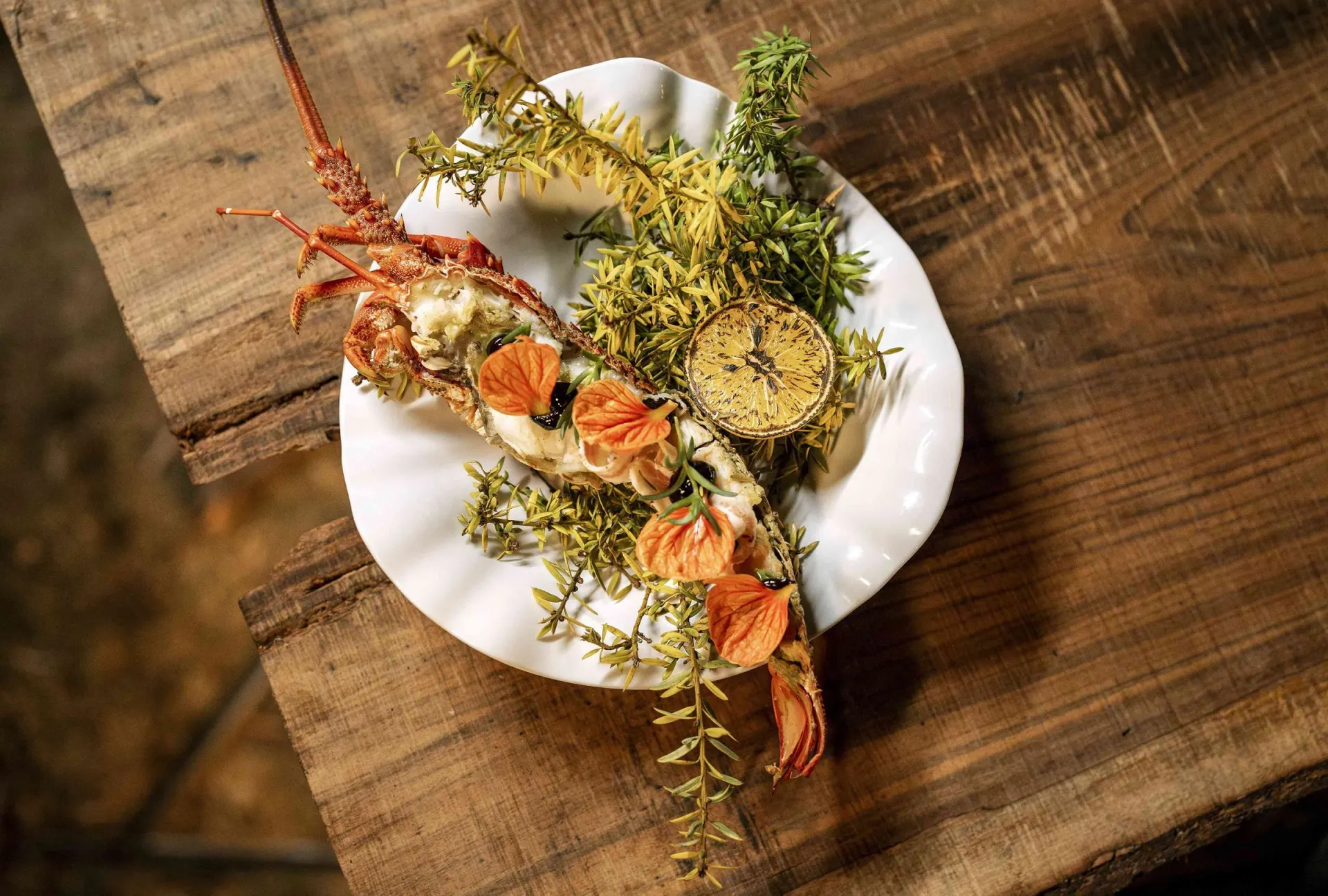
| Crayfish (kōura) | Rock lobster, grilled or boiled | Kaikōura roadside stalls and restaurants |
| Green-lipped mussels (kūtai) | Large, meaty native mussels | Havelock (Marlborough), seafood restaurants nationwide |
| Bluff oysters | Rich wild oysters from Foveaux Strait, season about March–August | Bluff Oyster Festival (May), southern restaurants |
| Whitebait fritters | Tiny juvenile fish in an egg batter; season roughly September–November | West Coast cafés (Haast, Hokitika) |
| Pāua | Abalone, often minced into fritters | Coastal towns, fish and chip shops |
| Lamb and venison | Grass-fed, world-renowned | Restaurants everywhere; Canterbury and Otago especially |
| Meat pie | Mince and cheese, steak, butter chicken… | Bakeries; national Bakels Supreme Pie Awards winners |
| Fish and chips | Usually blue cod (south), snapper or tarakihi | Seaside takeaways – eat on the beach |
| Kūmara | Sweet potato, a Māori staple since the 1300s | Roasted, as fries, in hāngī |
| Pavlova | Meringue cake with cream and fruit (claimed by NZ and Australia) | Christmas tables, cafés |
| Hokey pokey ice cream | Vanilla with honeycomb toffee | Any dairy (corner shop) |
| Lolly cake, L&P, Whittaker's chocolate | Kiwi classics | Supermarkets |
| Mānuka honey | Distinctive native honey | Markets and specialist shops |
Māori food: hāngī and kai
A hāngī is cooked in a pit: stones are heated in a fire, placed in the ground, covered with baskets of meat (pork, chicken, lamb), kūmara, potatoes, pumpkin and stuffing, then wet cloths and earth, and left to steam for three to four hours. The result is tender, smoky and best eaten in company. In Rotorua, natural geothermal steam is also used for cooking – at Whakarewarewa village you can try corn cooked in a hot pool.
Many cultural evenings combine a hāngī with kapa haka and a guided walk: see Rotorua tours. A growing number of restaurants also use native ingredients – kawakawa (a peppery leaf, often in tea), horopito (bush pepper), pikopiko (fern shoots) and tītī (muttonbird) – in modern dishes.
Seafood
With about 15,000 km of coastline, New Zealand is a seafood nation. Kaikōura is named after the crayfish (kai = food, kōura = crayfish), and its seafood barbecues and stalls on the coast road are a road-trip ritual – our sister site Kaikoura.com has the details. Havelock in Marlborough is the self-proclaimed 'green-lipped mussel capital of the world'; Bluff at the southern tip produces the prized oysters; and on the West Coast whitebait fritters are a springtime obsession.
Fish and chips are the great Kiwi takeaway: in the south ask for blue cod, in the north snapper or tarakihi. Recreational fishing has strict daily limits and minimum sizes set by Fisheries New Zealand – check the rules (there is an app) before taking pāua, crayfish or shellfish yourself.
Café culture and the flat white
New Zealanders take coffee very seriously. The flat white – espresso with silky steamed milk – is claimed by both New Zealand and Australia, and is the default order. Independent cafés serve excellent brunch dishes – eggs benedict, smashed avocado, corn fritters, bircher muesli – plus cabinet food such as scones, slices and savoury muffins. Wellington has more cafés per capita than New York, locals like to say; Melbourne-style laneway cafés thrive in Auckland, Christchurch and Queenstown too.
Typical café hours are about 7 AM to 3 or 4 PM (local time). You order and pay at the counter, take a number and food is brought to the table.
Wine regions
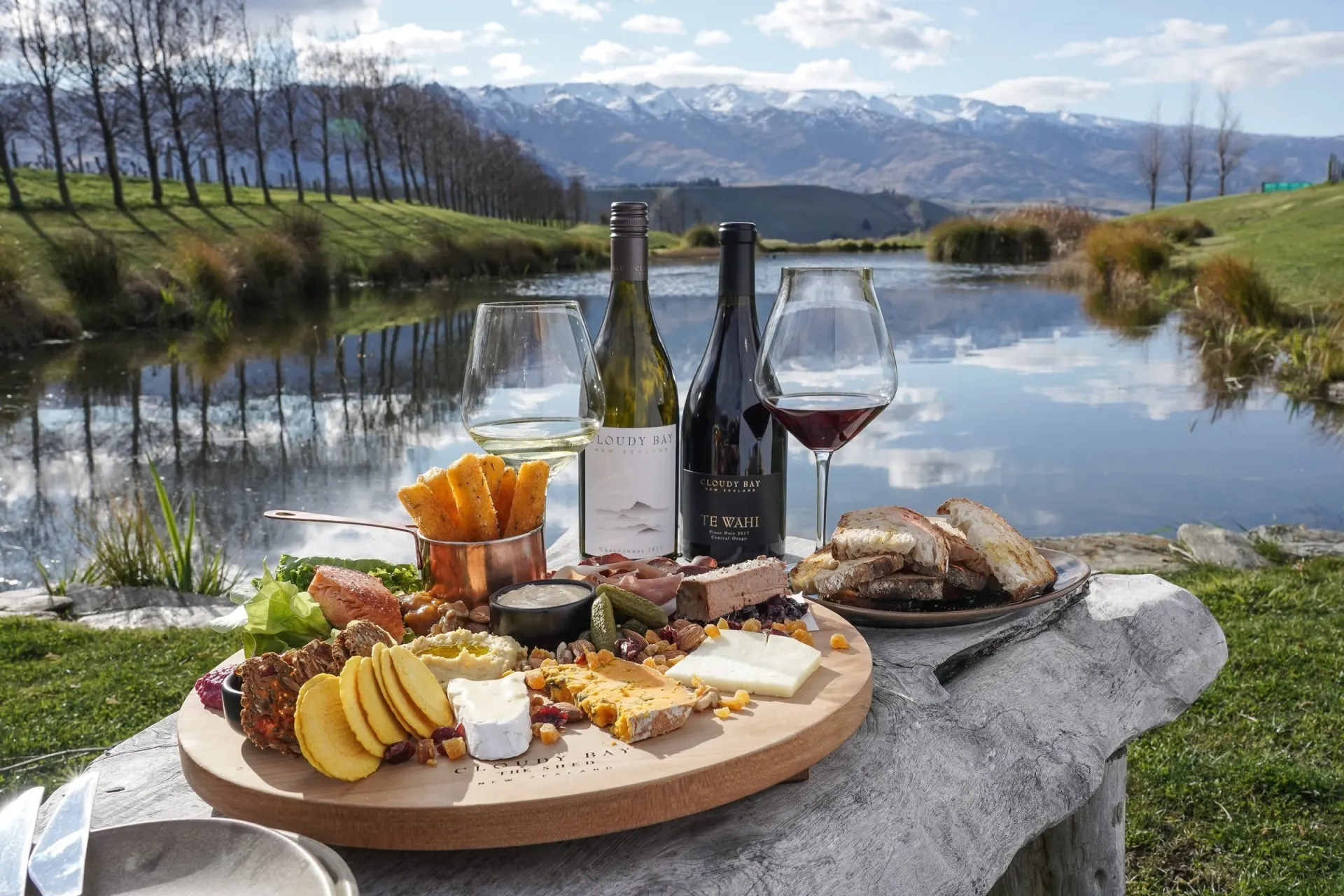
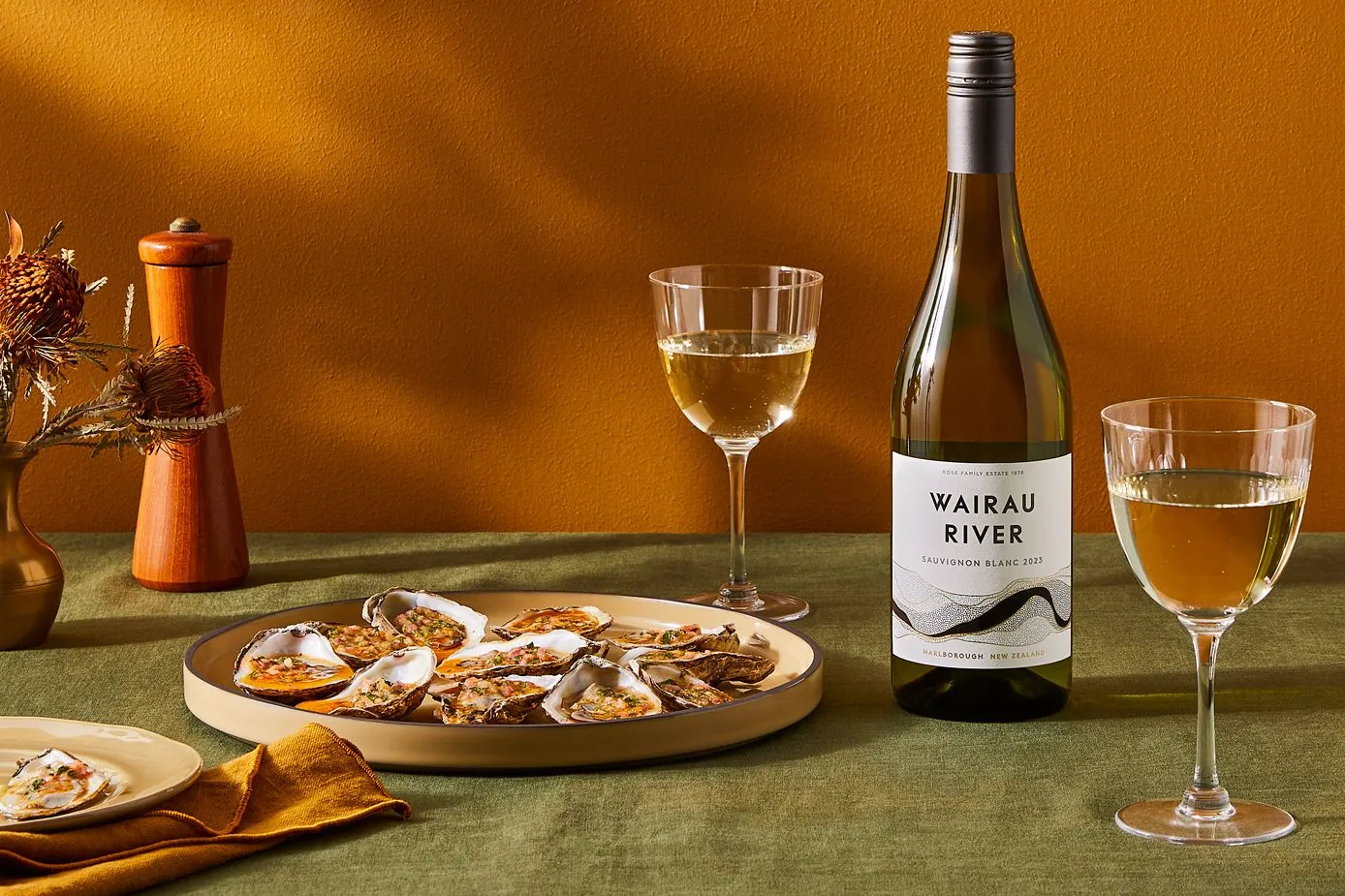
New Zealand produces less than 1% of the world's wine but punches far above its weight in quality, with cool-climate wines famous for intense fruit. Sauvignon Blanc accounts for the large majority of production and exports, most of it from Marlborough. Cellar doors are open for tastings in every region; many have restaurants with vineyard views.
| Region | Known for | Visit from |
|---|---|---|
| Marlborough | Sauvignon Blanc (the largest region by far), Pinot Noir, sparkling | Blenheim, Picton |
| Central Otago | Pinot Noir, the world's southernmost wine region | Queenstown (Gibbston Valley), Cromwell, Bannockburn |
| Hawke's Bay | Syrah, Bordeaux-style reds, Chardonnay | Napier, Hastings |
| Wairarapa (Martinborough) | Pinot Noir in a walkable wine village | Wellington |
| Waiheke Island | Reds, rosé; vineyard restaurants with sea views | Auckland (40-minute ferry) |
| Nelson | Aromatics, Pinot Noir | Nelson, Motueka |
| North Canterbury (Waipara) | Riesling, Pinot Noir | Christchurch |
| Gisborne | Chardonnay | Gisborne |
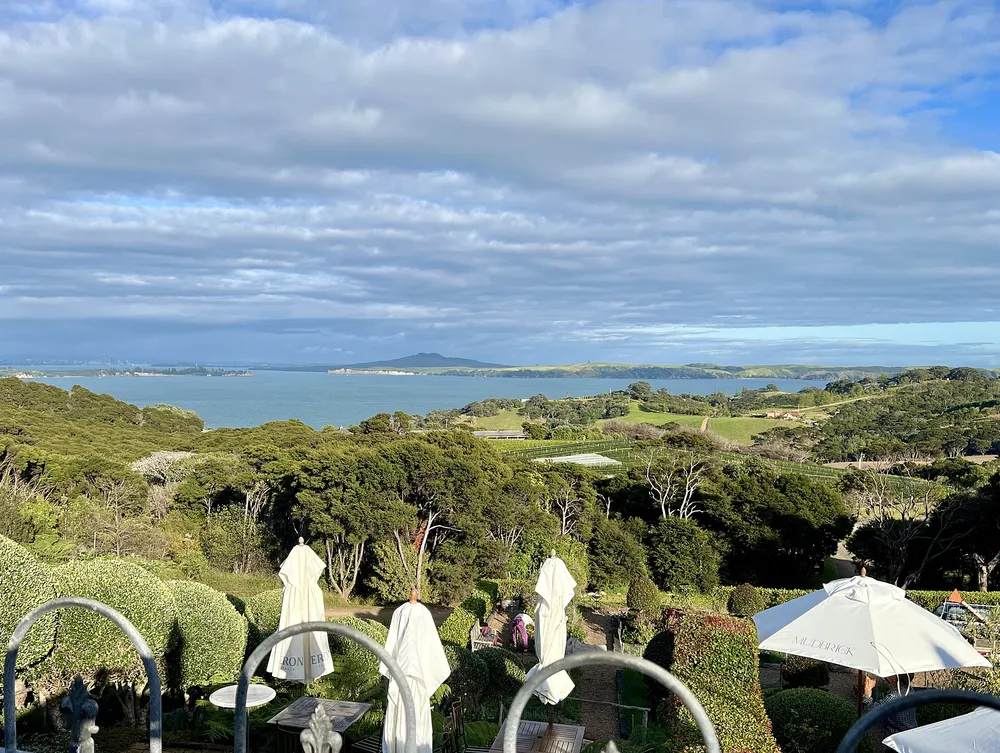
Waiheke Island Wine Tour + Tastings + Beachfront Lunch
Waiheke wine tour with tastings and a beachfront lunch. Rated 4.8 from 613 reviews on GetYourGuide (as of November 2026).
Check availabilityBook via GetYourGuide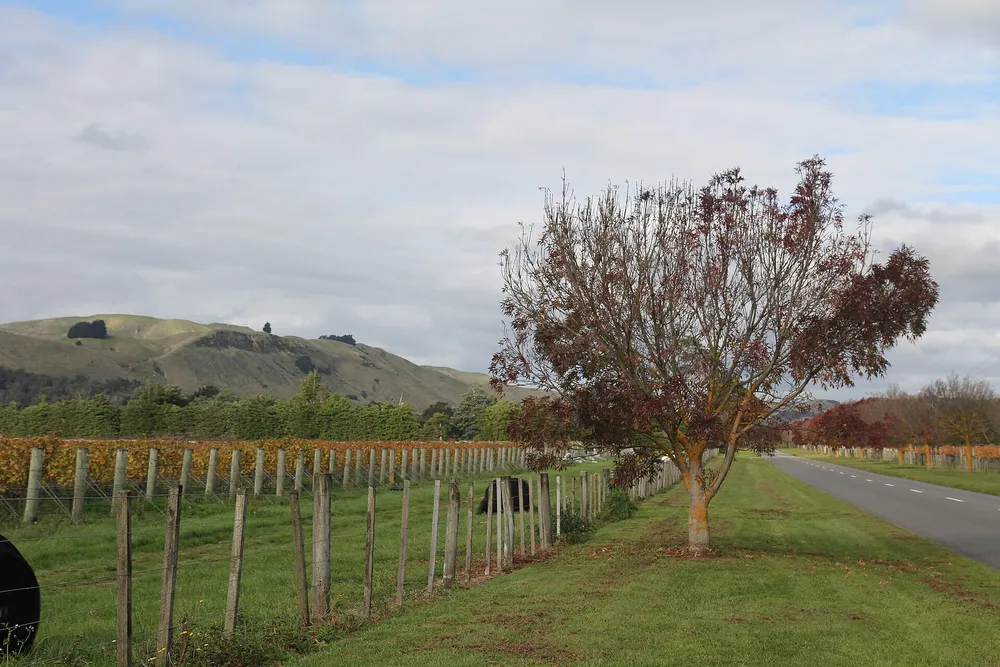
Martinborough Winery Tour
Half-day tour over the Remutaka Range to Martinborough's Pinot Noir cellar doors. Rated 4.9 from 235 reviews on GetYourGuide (as of November 2026).
Check availabilityBook via GetYourGuide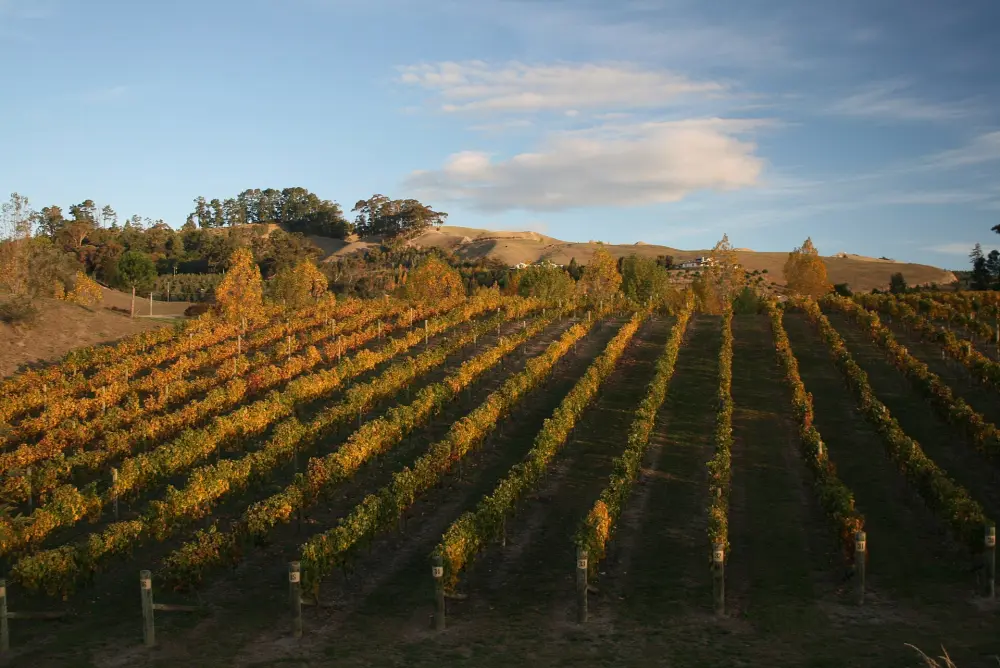
Afternoon Winery Tour (3 wineries)
Afternoon tour of several Hawke's Bay wineries with tastings. Rated 4.8 from 167 reviews on GetYourGuide (as of November 2026).
Check availabilityBook via GetYourGuideTour listings are on GetYourGuide. Prices, times and cancellation terms are shown live on each listing and can change; NewZealandTravel.com may earn a commission at no extra cost to you.
Craft beer and other drinks
New Zealand's craft beer scene is excellent, helped by local hops from Nelson with tropical-fruit flavours (Nelson Sauvin, Motueka, Riwaka). Wellington is the craft beer capital – the 'Craft Beer Capital' trail links dozens of brewpubs – and nearly every town has its own brewery. Kiwi favourites also include cider from Nelson and Hawke's Bay orchards, L&P (Lemon & Paeroa) soft drink and feijoa everything in autumn.
Drinking age: 18 to buy alcohol. Supermarkets sell beer and wine (not spirits). Many towns have liquor ban zones in public places, especially at night and on New Year's Eve.
Food experiences by destination
- Auckland: Asian food streets on Dominion Road, Ponsonby restaurants, the Viaduct, Waiheke vineyards – see Auckland.
- Rotorua: hāngī dinners with kapa haka; Eat Streat's geothermally heated outdoor dining – see Rotorua.
- Napier and Hawke's Bay: farmers' markets (Hastings, Sundays), winery restaurants, the Hawke's Bay Food and Wine Classic – see Napier.
- Wellington: cafés, craft beer, Wellington on a Plate (August) – see Wellington.
- Kaikōura: crayfish and seafood; Marlborough: wine and mussels; Queenstown: Fergburger, Arrowtown and Gibbston wineries.
How dining out works
- Book ahead for dinner in summer and in small towns, where few restaurants open late and kitchens may close by 8:30 PM (local time).
- BYO: some restaurants allow you to bring your own wine for a corkage fee – look for 'BYO' signs.
- Tap water is free and served without asking in most places.
- No tipping is expected; a public-holiday surcharge (often 10–15%) is common on holidays.
- Dietary needs are well catered for – gluten-free, vegetarian and vegan options are standard on most menus.
- Self-catering: supermarkets (Pak'nSave, Countdown/Woolworths, New World) are well stocked; farmers' markets run on weekends in most towns.
Frequently asked questions
What is New Zealand's national dish?
There is no official one, but candidates include roast lamb, the hāngī, fish and chips, the meat pie and pavlova.
What food is New Zealand famous for?
Lamb, green-lipped mussels, crayfish, Bluff oysters, mānuka honey, kiwifruit, dairy, pavlova, hokey pokey ice cream – and Sauvignon Blanc wine.
Where can I try a hāngī?
At a cultural evening in Rotorua (for example Mitai, Te Pā Tū or Te Puia) or at the Waitangi Treaty Grounds in the Bay of Islands.
Is eating out expensive in New Zealand?
Yes, by most standards: around NZ$25–40 for brunch and NZ$35–50 for a main course at a mid-range restaurant in late 2026. Takeaways and supermarkets are cheaper.
Sources and official information
Facts were checked against these official sources in November 2026. Opening hours, prices and timetables change, so confirm before you go.
NewZealandTravel.com is an independent guide, not the official site of Tourism New Zealand, the New Zealand Government or any operator. Some links are affiliate links: tours go to GetYourGuide and hotels go to Booking.com, and we may earn a commission at no extra cost to you.