In short
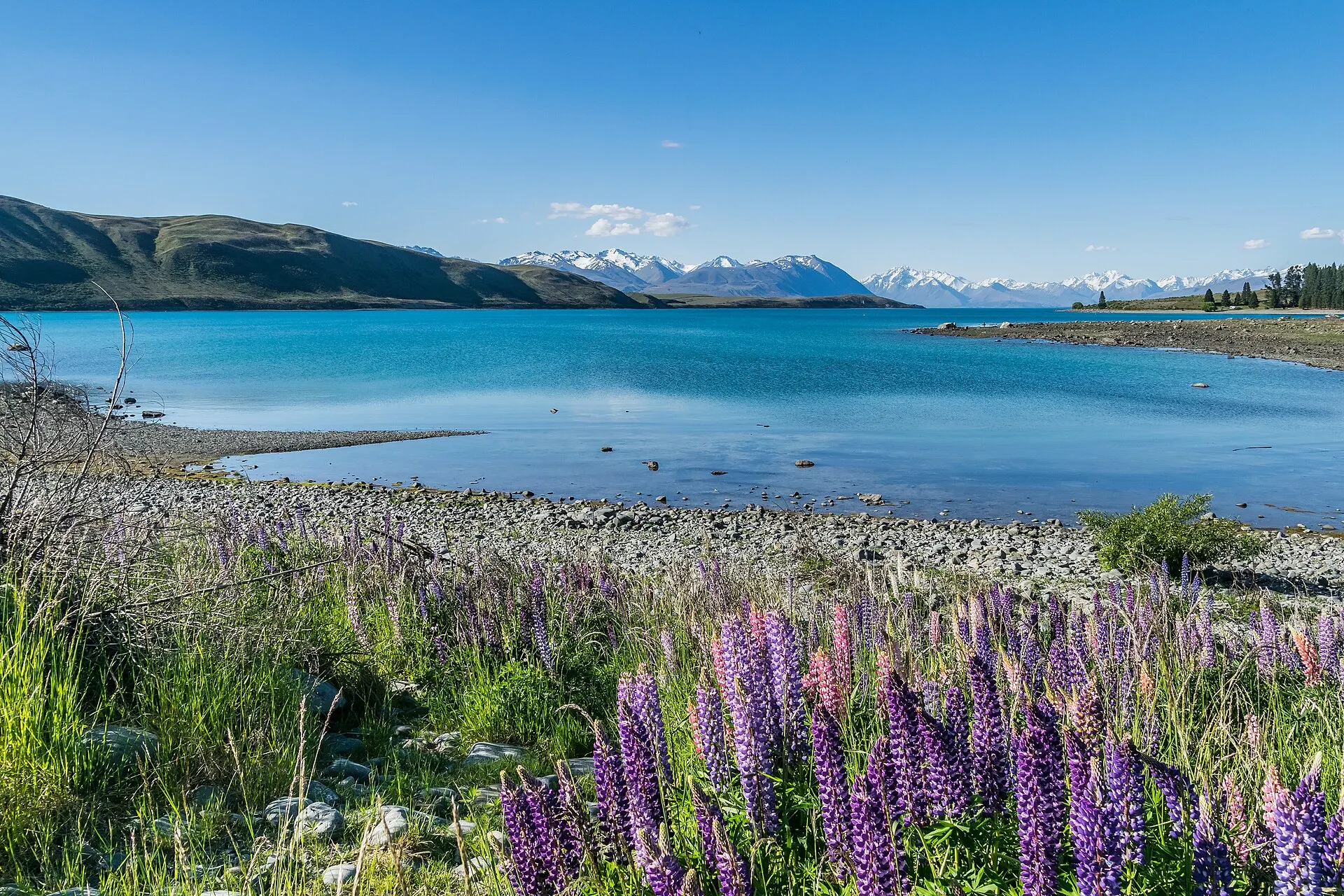
- Lupins: roughly mid-November to late December.
- Stargazing: all year; winter (May–August) has the longest dark nights and the Milky Way core overhead.
- Autumn: April–May larches and poplars glow gold; calm, clear days.
- Climate: hot, dry summers and cold winters with hard frosts.
Month by month
| Month | Avg high / low | Darkness after | Highlights |
|---|---|---|---|
| Jan | ≈ 21 / 7 °C | ≈ 10:30 PM | Summer, busy |
| Feb | ≈ 21 / 7 °C | ≈ 10 PM | Warm, settled |
| Mar | ≈ 18 / 5 °C | ≈ 9 PM | Quieter, clear nights |
| Apr | ≈ 14 / 2 °C | ≈ 7:30 PM | Autumn colour, daylight saving ends |
| May | ≈ 10 / −1 °C | ≈ 6:30 PM | Crisp, gold larches |
| Jun | ≈ 7 / −3 °C | ≈ 6:30 PM | Longest nights, Matariki |
| Jul | ≈ 6 / −4 °C | ≈ 6:30 PM | Skiing, ice skating |
| Aug | ≈ 9 / −3 °C | ≈ 7 PM | Milky Way core high |
| Sep | ≈ 12 / 0 °C | ≈ 8:30 PM | Daylight saving starts |
| Oct | ≈ 15 / 2 °C | ≈ 9:30 PM | Spring |
| Nov | ≈ 17 / 4 °C | ≈ 10 PM | Lupins begin |
| Dec | ≈ 20 / 6 °C | ≈ 10:30 PM | Lupins, long evenings |
Book tours in Lake TekapoLive times, prices and free cancellation terms on GetYourGuide.
Check availabilityChoosing your season
Summer is popular but stargazing starts late (after 10 PM local time). Winter is the stargazer’s season – dark by early evening, often clear and still, though nights are freezing. Late spring brings the lupins, and with them the crowds. Autumn is many photographers’ favourite: calm mornings, gold trees and Lake Tekapo at dawn without the summer queues.
Holidays and crowds
Tekapo is busiest from Christmas to late January, during the lupin season and around Chinese New Year (which falls in late January or February). Canterbury’s regional holiday is Show Day in November. Winter weekends bring skiers to Roundhill and Mt Dobson. For quiet nights and good prices, try March–May or September–October, avoiding school holidays.
What to pack
Warm layers, hat and gloves for stargazing in every season; sunscreen and sunglasses (UV is strong at altitude); sturdy shoes for Mt John; and in winter, chains for your car.
Public and school holidays 2026–27
New Zealanders travel a lot inside their own country, so the national calendar matters as much as the weather when you plan a visit to Lake Tekapo. Tekapo is also a favourite of international visitors around Lunar New Year (usually late January or February), so the summer peak can stretch into February. Dates below are from Employment New Zealand (public holidays and regional anniversary days) and the Ministry of Education (school terms); individual schools can shift the start and end of the summer break by a few days, so treat the school dates as approximate.
| Period | Dates | What it means |
|---|---|---|
| Christmas–New Year | Fri 25 Dec 2026 – Mon 4 Jan 2027 (observed days included) | Peak of the summer holidays; many businesses close on 25 Dec |
| School summer holidays | ≈ mid/late Dec 2026 – late Jan/early Feb 2027 | Busiest weeks of the year for domestic travel |
| South Canterbury Anniversary Day | Mon 27 Sep 2027 (Mon 28 Sep in 2026) | Regional long weekend |
| Waitangi Day | Sat 6 Feb 2027 (observed Mon 8 Feb) | National day, long weekend |
| Easter | Fri 26 – Mon 29 Mar 2027 | Long weekend; Good Friday and Easter Sunday trading limits |
| School autumn holidays | Sat 10 – Mon 26 Apr 2027 | Includes Anzac Day (observed Mon 26 Apr) |
| King's Birthday | Mon 7 Jun 2027 | Long weekend |
| Matariki | Fri 25 Jun 2027 | Māori New Year long weekend |
| School winter holidays | ≈ two weeks in July 2027 | Check the Ministry of Education page – published dates differ |
| School spring holidays | Sat 25 Sep – Sun 10 Oct 2027 | |
| Labour Day | Mon 25 Oct 2027 | First long weekend of the warm season |
Stargazing calendar
- Darkest nights: around each new moon – check a moon calendar before booking.
- Milky Way core: best placed from about March to October, high overhead in winter.
- Long winter nights: in June and July it is dark by about 6:30 PM (local time) – the most hours of stargazing, but the coldest temperatures (often below 0 °C).
- Summer: short nights; full darkness only after about 10:30–11 PM, but mild temperatures.
- Aurora australis: occasionally visible low on the southern horizon during strong solar activity – the dark basin is a good place to look.
Frequently asked questions
When is the best time to see stars at Lake Tekapo?
Any clear, moonless night; winter offers the longest darkness and the Milky Way core overhead.
When is lupin season at Lake Tekapo?
Usually mid-November to late December, varying with the season.
Is Lake Tekapo worth visiting in winter?
Yes – winter brings crisp, clear days, snow on the mountains, long dark nights for stargazing, hot pools and nearby skiing, with far fewer visitors. Be prepared for ice on the roads and temperatures below freezing at night.
Sources and official information
Facts were checked against these official sources in November 2026. Opening hours, prices and timetables change, so confirm before you go.
NewZealandTravel.com is an independent guide, not the official site of Tourism New Zealand, the New Zealand Government or any operator. Some links are affiliate links: tours go to GetYourGuide and hotels go to Booking.com, and we may earn a commission at no extra cost to you.