In short
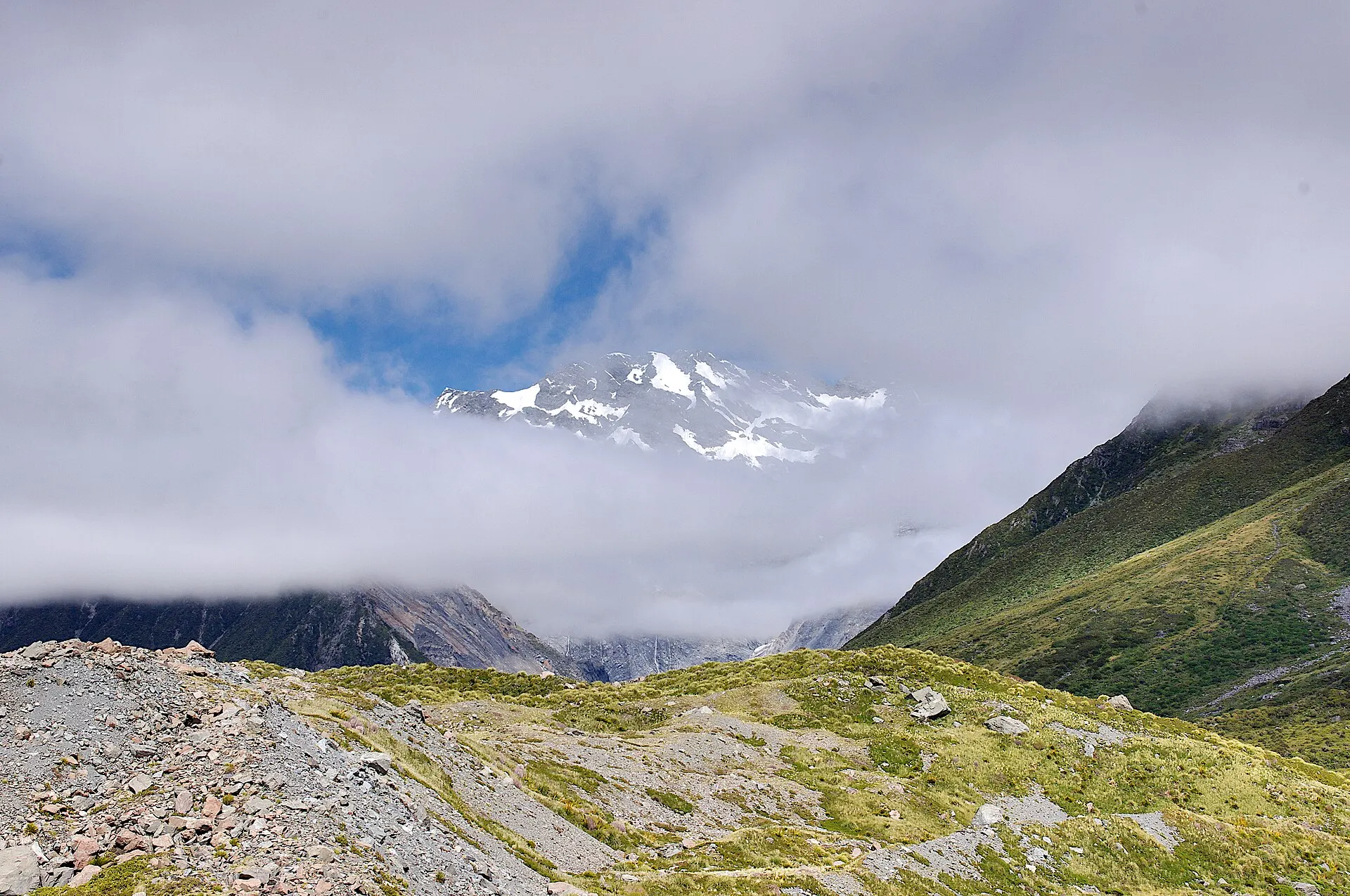
- Wet and changeable: the village receives several metres of rain a year; clear days often follow a storm.
- Best months: February–April for settled weather and fewer crowds; December–March for long days.
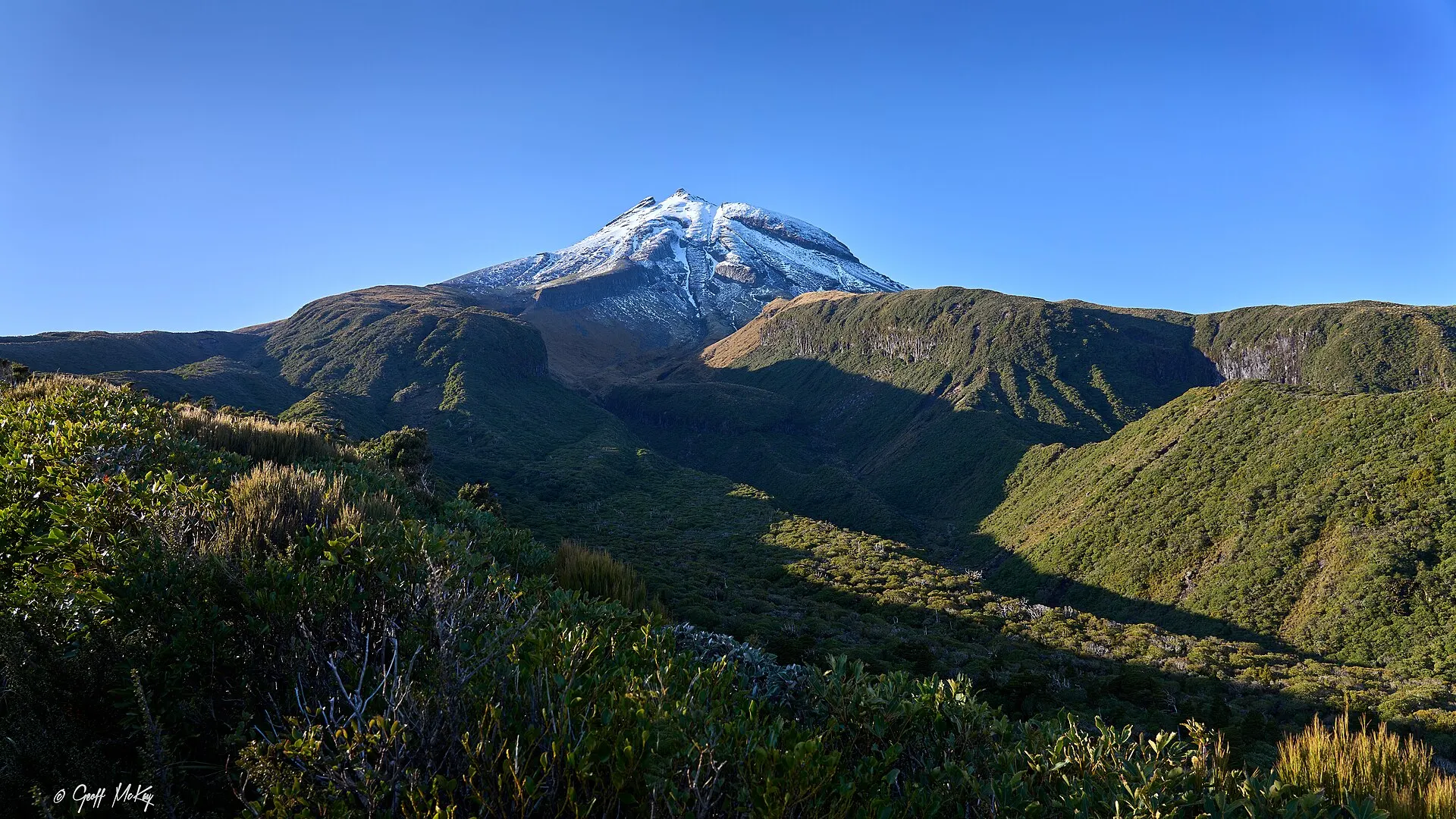
- Winter (Jun–Aug): snow down to the valley, frozen Hooker Lake at times, avalanche risk above the valley floor.
- Tip: plan two nights to improve your odds of seeing the peak.
Month by month
| Month | Conditions | Good for |
|---|---|---|
| Jan | Warmest, long days, busy | All walks, flights |
| Feb | Often settled | Hooker Valley, Sealy Tarns |
| Mar | Calmer, cooler nights | Photography, stars |
| Apr | Autumn, first snow on peaks | Quiet walks |
| May | Cold, clear spells | Stargazing |
| Jun | Winter, snow possible in village | Snowy scenery |
| Jul | Coldest; lakes may freeze | Frozen landscapes |
| Aug | Cold, avalanche risk higher up | Valley walks only |
| Sep | Spring storms, avalanche risk | Snowy peaks |
| Oct | Changeable, windy | Flowers start |
| Nov | Mount Cook lilies flower | Wildflowers |
| Dec | Long days, busy | Everything |
Book tours in Aoraki/Mount CookLive times, prices and free cancellation terms on GetYourGuide.
Check availabilityWeather tips
Weather systems from the Tasman Sea hit the Main Divide first; the village is on the wet side of the Mackenzie Basin, while Twizel and Tekapo are much drier. Check MetService’s mountain forecast for Aoraki/Mount Cook National Park, and plan flights for the first clear morning. In November and December the large white Mount Cook buttercup (lily) flowers along the tracks.
What to pack
A waterproof jacket and warm layers in every season, a hat and gloves, sunscreen and sunglasses (strong UV and snow glare), sturdy footwear, food for the day (limited options in the village) and, in winter, chains for your car. Check the MetService mountain forecast and the NZ Avalanche Advisory before longer walks.
Public and school holidays 2026–27
New Zealanders travel a lot inside their own country, so the national calendar matters as much as the weather when you plan a visit to Aoraki/Mount Cook. Village rooms and the Hooker Valley Track are busiest in the summer holidays and on long weekends; a quiet weekday in March or November can feel like a different place. Dates below are from Employment New Zealand (public holidays and regional anniversary days) and the Ministry of Education (school terms); individual schools can shift the start and end of the summer break by a few days, so treat the school dates as approximate.
| Period | Dates | What it means |
|---|---|---|
| Christmas–New Year | Fri 25 Dec 2026 – Mon 4 Jan 2027 (observed days included) | Peak of the summer holidays; many businesses close on 25 Dec |
| School summer holidays | ≈ mid/late Dec 2026 – late Jan/early Feb 2027 | Busiest weeks of the year for domestic travel |
| South Canterbury Anniversary Day | Mon 27 Sep 2027 (Mon 28 Sep in 2026) | Regional long weekend |
| Waitangi Day | Sat 6 Feb 2027 (observed Mon 8 Feb) | National day, long weekend |
| Easter | Fri 26 – Mon 29 Mar 2027 | Long weekend; Good Friday and Easter Sunday trading limits |
| School autumn holidays | Sat 10 – Mon 26 Apr 2027 | Includes Anzac Day (observed Mon 26 Apr) |
| King's Birthday | Mon 7 Jun 2027 | Long weekend |
| Matariki | Fri 25 Jun 2027 | Māori New Year long weekend |
| School winter holidays | ≈ two weeks in July 2027 | Check the Ministry of Education page – published dates differ |
| School spring holidays | Sat 25 Sep – Sun 10 Oct 2027 | |
| Labour Day | Mon 25 Oct 2027 | First long weekend of the warm season |
Daylight and stargazing
In December and January, the sun sets around 9:30 PM (local time) and it is light until nearly 10 PM, so you can walk the Hooker Valley in the evening light. In June it sets around 5 PM. For stars, the best conditions are clear, moonless nights from autumn to spring, when darkness falls early – the park is in the Aoraki Mackenzie International Dark Sky Reserve. Check moon phases and the MetService mountain forecast before planning a night out.
Safety by season
- Summer: sudden storms and strong winds are still possible; take a jacket on every walk.
- Autumn and spring: snow can fall at any time on higher tracks; Sealy Tarns, Mueller Hut and routes beyond the valley floor can carry avalanche risk.
- Winter: the valley walks (Hooker Valley, Kea Point, Tasman Glacier View) usually stay open, but ice and avalanche paths make higher routes dangerous. Check the DOC visitor centre and the New Zealand Avalanche Advisory before going above the valleys.
- Always register intentions with a trusted person, and consider hiring a personal locator beacon for longer walks.
Frequently asked questions
What month is best to see Mount Cook?
There’s no guarantee, but late summer and autumn (February–April) often bring more settled, clear days and fewer crowds.
Can you see Mount Cook in winter?
Yes – winter often brings crisp, clear days with the peaks covered in snow, and fewer visitors. Days are short and cold, and higher tracks may be closed or risky, but the valley walks are usually accessible.
Sources and official information
Facts were checked against these official sources in November 2026. Opening hours, prices and timetables change, so confirm before you go.
- metservice.com
- doc.govt.nz
- niwa.co.nz
- employment.govt.nz
- education.govt.nz
- avalanche.net.nz
- metservice.com
NewZealandTravel.com is an independent guide, not the official site of Tourism New Zealand, the New Zealand Government or any operator. Some links are affiliate links: tours go to GetYourGuide and hotels go to Booking.com, and we may earn a commission at no extra cost to you.