Polynesian Settlement (c. 1250-1300 AD)

The Great Fleet & Kupe

According to legend, the great explorer Kupe was the first Polynesian to discover Aotearoa (Land of the Long White Cloud). He returned to his homeland (Hawaiki) with sailing directions. Centuries later, the Great Fleet of waka (canoes) made the perilous voyage across the Pacific, navigating by the stars and ocean currents.

Developing Maori Culture

Isolated in a new land with a cooler climate and unique flora and fauna, the settlers developed a distinct Maori culture. They lived in tribal groups (iwi) and built fortified villages called pa. They were expert carvers, weavers, and warriors, with a rich oral tradition of whakapapa (genealogy) and legends.
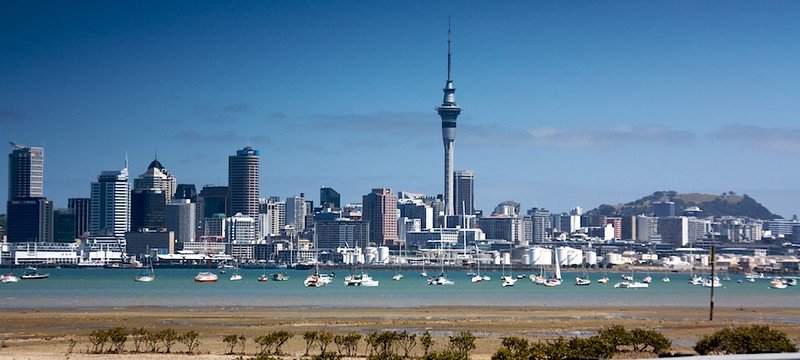
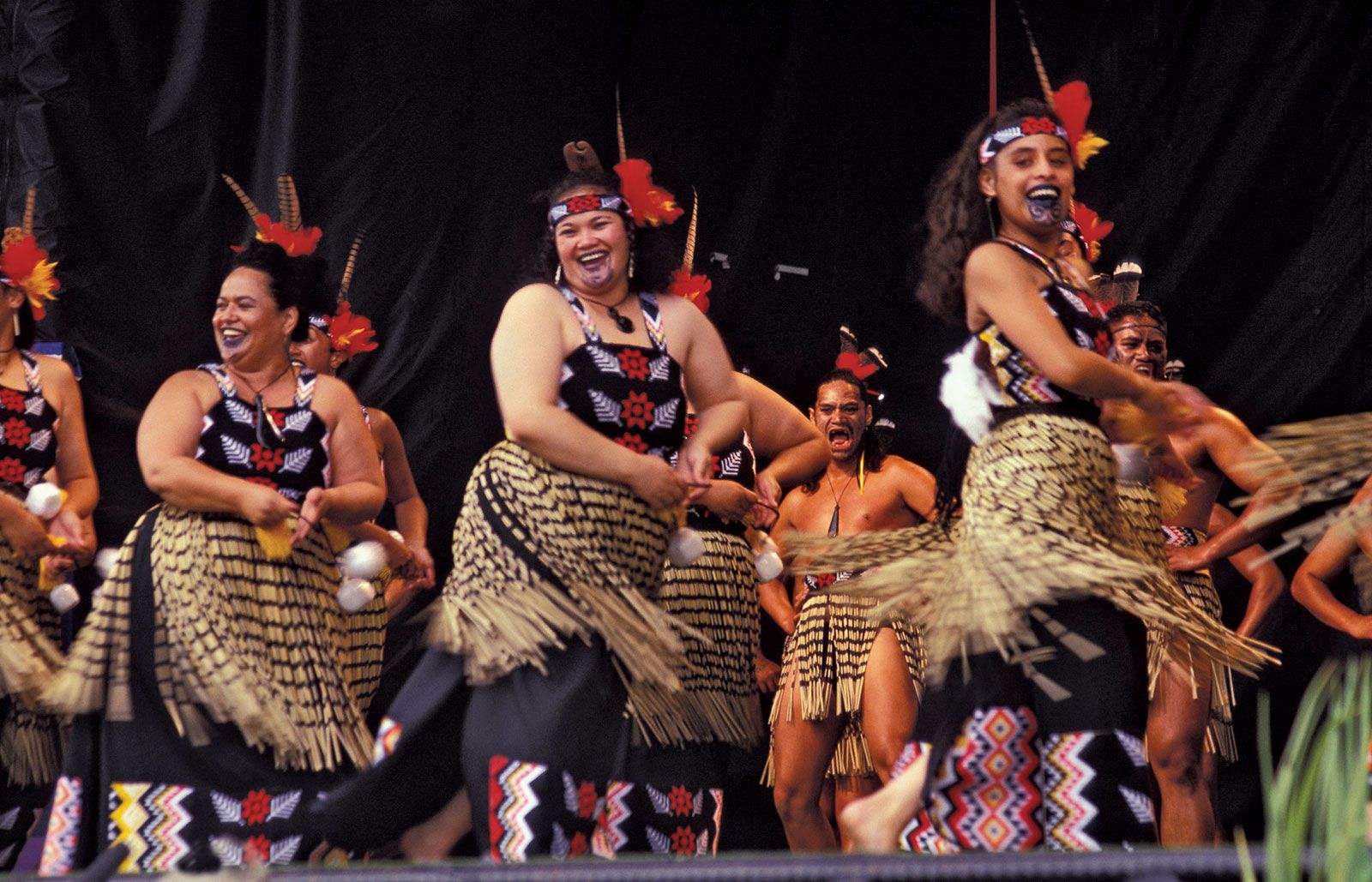
Maori Waka and Culture

European Arrival & Colonization

Captain Cook's Arrival

Tasman & Cook

The first European to sight New Zealand was Dutch explorer Abel Tasman in 1642, who named it "Staten Landt" (later Nova Zeelandia). Contact was hostile, and he never set foot on land. It wasn't until 1769 that British Captain James Cook circumnavigated and mapped the country, establishing friendly (though sometimes fraught) relations with Maori.

Whalers, Traders & Missionaries

In the early 19th century, European whalers, sealers, and traders began arriving. They introduced muskets (leading to the Musket Wars between tribes), potatoes, and metal tools. Christian missionaries also arrived, developing a written form of the Maori language and successfully converting many Maori.

The Treaty of Waitangi (1840)

Te Tiriti o Waitangi

Signed on February 6, 1840, at Waitangi in the Bay of Islands, this is New Zealand's founding document. Representatives of the British Crown and over 500 Maori chiefs signed it. While it was intended to create a partnership, mistranslations and differing understandings of "sovereignty" vs "governance" led to decades of conflict and land confiscations. Today, the Treaty principles guide the relationship between the government and Maori.

Waitangi Treaty Grounds

Visit the site where the treaty was signed. See the Treaty House, the magnificent carved meeting house (Te Whare Runanga), and the ceremonial war canoe (Ngātokimatawhaorua).

🌿 Book Historic Tour

Historical Timeline

Key Dates in NZ History

  • c. 1300: Polynesian settlers arrive (Great Fleet).
  • 1642: Abel Tasman first European to sight NZ.
  • 1769: Captain James Cook maps the country.
  • 1840: Treaty of Waitangi signed (Feb 6).
  • 1860s: New Zealand Wars (Land Wars).
  • 1893: NZ becomes first country to give women the vote.
  • 1915: ANZAC troops land at Gallipoli (WWI).
  • 1931: Napier Earthquake.
  • 1953: Sir Edmund Hillary climbs Mt Everest.
  • 1987: Maori becomes an official language.
  • 2011: Christchurch Earthquake.

Legendary Kiwis

⛰️ Sir Edmund Hillary

The first person to reach the summit of Mount Everest (along with Tenzing Norgay) in 1953. He is also known for his humanitarian work in Nepal and his Antarctic expeditions. He appears on the $5 note.

✊ Kate Sheppard

The most prominent member of the women's suffrage movement in New Zealand. Her work led to New Zealand becoming the first self-governing country in the world to grant women the vote in 1893. She appears on the $10 note.

🔬 Ernest Rutherford

Known as the father of nuclear physics. He split the atom and won the Nobel Prize in Chemistry in 1908. He appears on the $100 note.

🏉 Jonah Lomu

A global rugby superstar who revolutionized the sport with his size, speed, and power. He is considered one of the greatest rugby players of all time and a national icon.